Tree Removal Permits and Regulations in Denton County
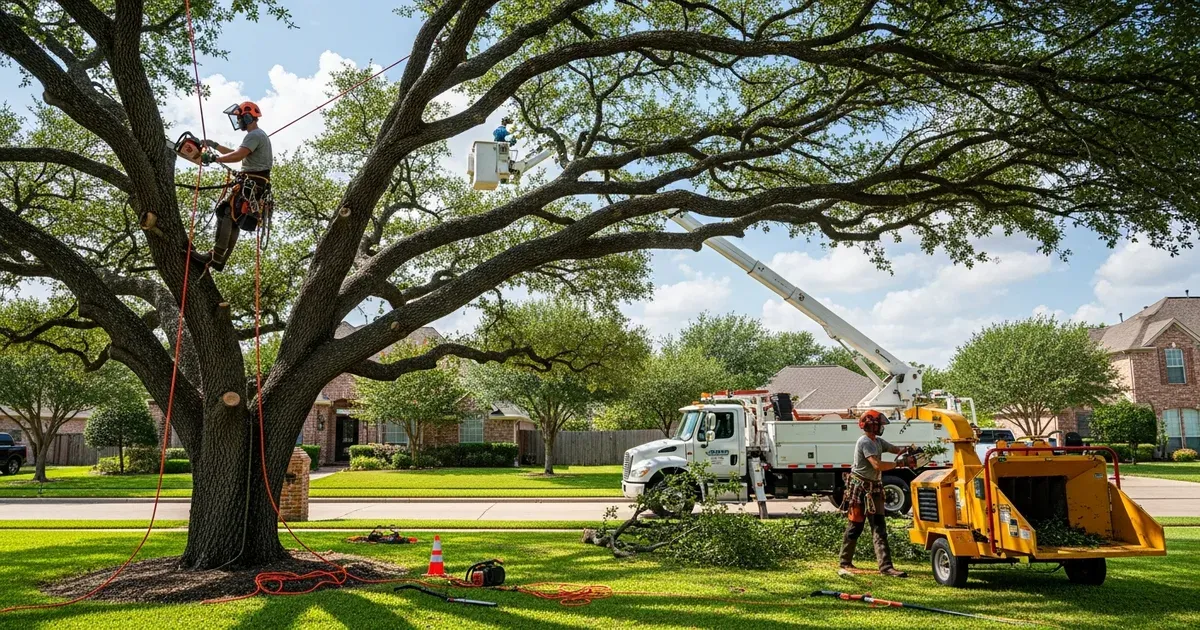
Denton takes its trees seriously. The city’s tree preservation ordinance protects mature trees on residential and commercial property, and removing one without the right paperwork can result in significant fines. Here’s what you need to know before you hire someone with a chainsaw.
Which Trees Are Protected in Denton?
The City of Denton’s tree preservation ordinance (Denton Development Code, Subchapter 25) protects trees that meet these criteria:
- Trunk diameter of 12 inches or more measured at 4.5 feet above ground level (called DBH — diameter at breast height)
- Located within Denton city limits — unincorporated Denton County has different (generally looser) rules
- On residential, commercial, or undeveloped property — the ordinance applies broadly
Some species get extra protection. Heritage trees — generally defined as trees with a DBH of 24 inches or more — face stricter removal requirements and higher mitigation costs.
When You Don’t Need a Permit
You can typically remove a tree without a permit if:
- The tree’s trunk is under 12 inches DBH
- The tree is confirmed dead by a certified arborist
- The tree is an imminent safety hazard (documentation required)
- You’re in unincorporated Denton County outside city limits
- The tree is on the city’s exempt species list (typically includes invasive species like Chinese tallow or Chinaberry)
Even for exempt situations, it’s smart to document the tree’s condition with photos before removal in case the city questions it later.
How to Get a Tree Removal Permit in Denton
The process is straightforward:
- Identify the tree — Measure the trunk diameter at 4.5 feet. If it’s 12 inches or more, you need a permit
- Apply with the city — Submit a tree removal application to the City of Denton’s Development Services department. Include the species, size, location on your property, and reason for removal
- Arborist assessment — For heritage trees or when disease is claimed, the city may require a certified arborist’s report
- Receive approval — Standard residential permits are usually processed within 5–10 business days
- Mitigation — If required, you’ll need to plant replacement trees or pay into the city’s tree mitigation fund
Mitigation Requirements
When the city approves removal of a protected tree, they typically require mitigation:
| Tree Size (DBH) | Typical Mitigation |
|---|---|
| 12–18 inches | 1–2 replacement trees (2” caliper minimum) |
| 18–24 inches | 2–3 replacement trees or fund contribution |
| 24+ inches (heritage) | 3+ replacement trees and/or significant fund contribution |
Replacement trees must be from the city’s approved species list, which favors native North Texas varieties like live oak, bur oak, cedar elm, and pecan. You can’t replace a 24-inch post oak with a Bradford pear.
Tree Removal Costs in Denton
Aside from permit and mitigation fees, here’s what the actual removal typically costs:
| Tree Size | Typical Cost |
|---|---|
| Small (under 25 ft) | $300 – $800 |
| Medium (25–50 ft) | $800 – $1,800 |
| Large (50–75 ft) | $1,500 – $3,500 |
| Very large (75+ ft) | $3,000 – $8,000+ |
| Stump grinding (add-on) | $150 – $500 |
Costs vary based on species, location, accessibility, and proximity to structures or power lines. Pecan and post oak — both common in Denton — are dense hardwoods that take longer to process.
Need a Tree Removed Safely?
Denton Home Services connects you with insured tree removal pros who handle permits, cutting, hauling, and stump grinding.
Get a Free Tree Removal Estimate →Denton-Specific Tree Considerations
A few local factors that affect tree removal decisions:
- Post oak wilt — This fungal disease is spreading through Denton County and kills post oaks quickly. If your post oak is showing crown dieback and leaf browning, get an arborist assessment. Infected trees should be removed to prevent spread to neighbors
- Storm damage — Denton’s spring storms regularly bring 60+ mph winds. Damaged trees that are leaning or have cracked trunks may qualify for emergency removal without the standard permit timeline
- Utility lines — Trees growing into power lines are handled by Oncor, not homeowners. Call Oncor’s vegetation management line for trees near overhead power lines
- Clay soil and root damage — Denton’s expansive clay soil means large tree roots near foundations can contribute to foundation movement. This is a legitimate reason for removal that the city generally approves
Bottom Line
If the tree is 12 inches or wider at chest height and you’re inside Denton city limits, get a permit before removing it. The permit process is simple and inexpensive — the fines for skipping it are not. For heritage trees or complex situations, a certified arborist’s report strengthens your application and keeps you on the right side of the city’s ordinance.
Frequently Asked Questions
Do I need a permit to remove a tree in Denton, TX?
Within Denton city limits, you need a permit to remove any protected tree with a trunk diameter of 12 inches or more measured at 4.5 feet above ground (DBH). Dead, diseased, or hazardous trees may qualify for an exemption, but you still need to apply.
How much does a tree removal permit cost in Denton?
The City of Denton tree removal permit fee is typically $25–$50 for residential properties. However, if you're required to plant replacement trees and don't, the mitigation fees can run several hundred dollars per caliper inch removed.
What happens if I remove a protected tree without a permit in Denton?
Removing a protected tree without a permit is a violation of the Denton Development Code. Fines can reach $2,000 per violation per day, and you may be required to plant replacement trees at your own expense.
How much does professional tree removal typically cost for a large tree in Denton, Texas?
The cost for professional tree removal in Denton varies significantly based on tree size, location, and complexity. For a large tree over 60 feet tall, homeowners can expect to pay between $1,000 and $2,500 or more, especially for difficult-to-access trees in areas like the historic downtown or Oak-Hickory neighborhoods. This estimate generally includes felling, hauling away debris, and stump grinding.
What is the typical timeline for a complete tree removal project in Denton, from permit application to completion?
After submitting your application to Denton's Development Services, permit approval typically takes 5–10 business days for standard residential removals. Once approved, scheduling with a professional tree service can add another 1-2 weeks depending on their availability, especially after major North Texas storms. The actual removal itself usually takes one day, though very large or complex projects might extend to two days.
Can I remove a small tree myself in my Denton backyard, or should I always hire a professional?
For very small trees (under 12 inches DBH) that are not protected species, DIY removal might be feasible with proper safety gear and tools. However, for any tree larger than a sapling, especially those near structures or power lines in Denton, hiring a certified arborist is strongly recommended due to safety risks and potential property damage. Professionals also ensure proper disposal and adherence to local regulations.
Are tree removal rules different for properties in unincorporated Denton County compared to Denton city limits?
Yes, tree removal regulations are generally much looser for properties located in unincorporated Denton County compared to those within Denton city limits. The City of Denton's robust tree preservation ordinance, with its permit requirements for trees 12 inches DBH or larger, does not apply outside the city's jurisdictional boundaries. Homeowners in unincorporated areas typically have more freedom to remove trees without a permit, unless specific HOA rules apply.
What should I do if a tree falls on my property during a storm in Denton, Texas?
First, ensure everyone's safety and avoid approaching fallen trees that may be tangled in power lines – call 911 immediately for electrical hazards. Next, contact a reputable emergency tree removal service in North Texas to safely clear the debris and assess any structural damage. Document the damage with photos for insurance purposes, and if a protected tree was involved, contact Denton's Development Services for guidance, though emergency removals often have different protocols.
Denton Home Services connects you with licensed, vetted contractors — fast and free.
Get a Free Estimate →