Best Trees to Plant in Denton County (And Which to Remove)
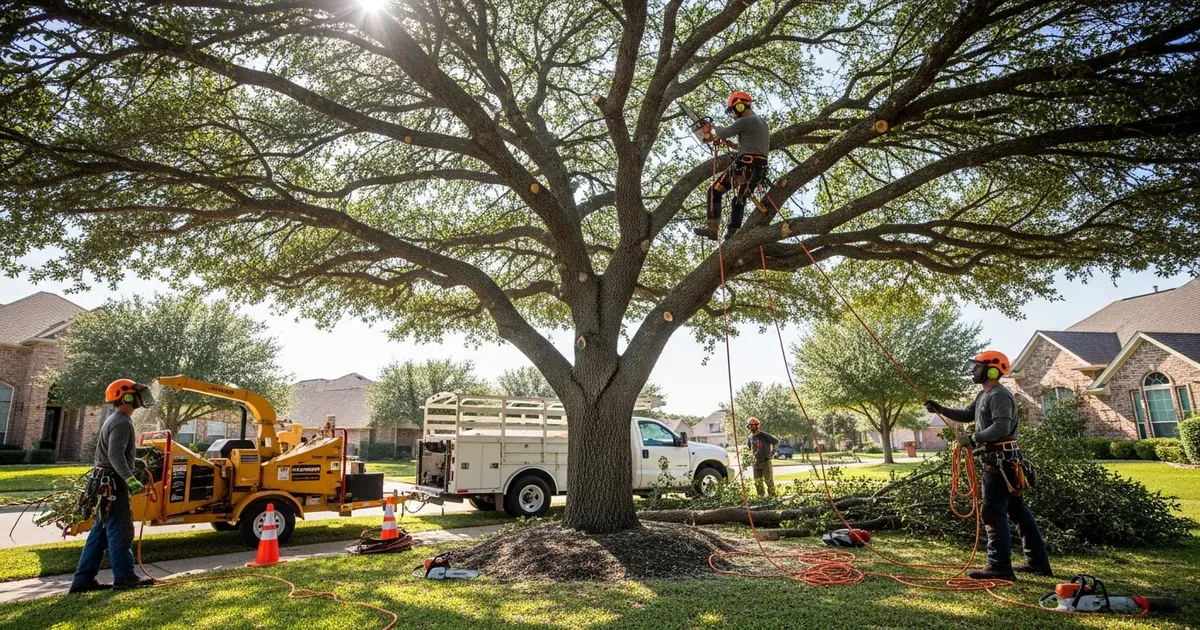
Living in Denton County means enjoying beautiful landscapes, but it also means dealing with our unique Texas climate and soil. Choosing the right trees to plant, and knowing which ones might cause problems, is a big decision for any homeowner. The trees you select can boost your home’s curb appeal, provide much-needed shade during our scorching summers, and even help with energy bills. On the flip side, planting the wrong tree can lead to costly damage, endless headaches, and even safety concerns down the road. This guide will help you understand which trees thrive in our Denton environment and which ones are best avoided or removed.
Understanding Denton's Unique Environment
Denton County is a special place, and our trees need to be tough to handle it. We experience everything from scorching 100+ degree summers to occasional hard freezes and even hail storms. This extreme weather puts a lot of stress on plants.Our soil is another major factor. Most of Denton sits on heavy blackland prairie clay soil. This soil is known for expanding when wet and shrinking when dry, which can be tough on tree roots and even foundations. It also drains slowly, which can be a problem for trees that don’t like “wet feet.” We also frequently face drought conditions and water restrictions, making water-wise tree choices essential.
Beyond nature, we also need to think about our homes and utilities. Trees planted too close to houses can damage foundations or roofs. Roots can invade plumbing lines, and branches can interfere with overhead power lines, especially those maintained by Oncor. Denton also has city ordinances regarding tree removal, particularly for trees on public property or in certain protected areas. It’s always smart to check with the city before removing a large tree, especially if it’s near a street or sidewalk.
The Best Trees to Plant in Denton County
When selecting trees for your Denton home, think "tough and Texas-friendly." Native trees are almost always the best choice because they are already adapted to our climate, soil, and local pests. They also support local wildlife better. Here are some of the top picks that will thrive and beautify your property.Great Shade Trees for Denton
Shade is a precious commodity here in Denton, especially when temperatures soar above 100 degrees. These trees grow large and provide excellent cooling relief.- Live Oak (Quercus virginiana): This iconic Texas tree is a slow grower but incredibly long-lived and beautiful. Live Oaks are known for their sprawling, evergreen canopy that provides dense shade year-round. They are very drought-tolerant once established and handle our clay soil well. They can grow very large, so give them plenty of space.
- Shumard Oak (Quercus shumardii): A fast-growing native oak that offers great shade and vibrant red fall color. Shumard Oaks are adaptable to various soils, including our clay, and are quite drought-tolerant. They are a fantastic choice for a classic deciduous shade tree.
- Bur Oak (Quercus macrocarpa): With its distinctive large acorns and rugged bark, the Bur Oak is a majestic, long-lived native. It’s highly tolerant of drought, heat, and clay soils. It grows a wide, open canopy, perfect for shade, and provides excellent habitat for wildlife.
- Cedar Elm (Ulmus crassifolia): Another excellent native choice, Cedar Elms are fast-growing and very tough. They tolerate heat, drought, and our heavy clay soils with ease. Their relatively small leaves and graceful form make them a popular choice for street trees or backyard shade.
- Pecan (Carya illinoinensis): Texas’s state tree! Pecans are beautiful, large shade trees that also provide delicious nuts. They prefer deep, well-drained soil but can adapt to clay if given proper care. They need plenty of space and consistent watering during dry spells, especially when young.
Smaller Ornamental Trees for Denton
If you have a smaller yard, or want to add some color and interest without a giant canopy, these trees are perfect.- Texas Redbud (Cercis canadensis var. texensis): A stunning native tree that bursts with magenta-pink flowers in early spring before its heart-shaped leaves appear. It’s a smaller tree, usually reaching 15-20 feet, and is very drought-tolerant once established.
- Desert Willow (Chilopsis linearis): Despite its name, this tree is not a true willow. It’s a beautiful, fast-growing small tree or large shrub with delicate, trumpet-shaped flowers in shades of pink, purple, or white from spring to fall. It loves the heat and dry conditions and is very low-maintenance.
- Possumhaw Holly (Ilex decidua): This native holly is known for its brilliant red berries that persist through winter, providing food for birds and a splash of color when other plants are dormant. It’s a small, tough tree that tolerates wet and dry conditions.
- Rusty Blackhaw Viburnum (Viburnum rufidulum): A lovely small native tree or large shrub with glossy green leaves, white spring flowers, and dark blue berries in the fall that attract birds. It offers beautiful fall foliage color and is very adaptable to various soil conditions.
Here’s a quick look at some recommended trees for Denton County:
| Tree Name | Mature Size (Height x Spread) | Key Benefits | Soil Preference | Drought Tolerance |
|---|---|---|---|---|
| Live Oak | 40-80 ft x 60-100 ft | Excellent evergreen shade, long-lived | Adaptable (clay) | High |
| Shumard Oak | 50-70 ft x 40-60 ft | Fast growing, good shade, red fall color | Adaptable (clay) | Medium-High |
| Bur Oak | 70-80 ft x 60-80 ft | Majestic, very tough, unique acorns | Adaptable (clay) | High |
| Cedar Elm | 50-70 ft x 40-60 ft | Fast growing, tough, graceful | Adaptable (clay) | High |
| Pecan | 70-100 ft x 50-70 ft | Shade, nuts, beautiful form | Deep, well-drained | Medium |
| Texas Redbud | 15-20 ft x 15-20 ft | Stunning spring flowers, small size | Adaptable | High |
| Desert Willow | 15-25 ft x 10-15 ft | Long bloom period, heat-loving, low maintenance | Well-drained | High |
| Possumhaw Holly | 10-15 ft x 6-10 ft | Winter berries, bird attractor | Adaptable | Medium-High |
| Rusty Blackhaw Viburnum | 15-20 ft x 10-15 ft | Fall color, berries, adaptable | Adaptable | Medium-High |
Trees to Avoid (or Remove) in Denton County
Just as some trees are perfect for Denton, others can be a real headache. These trees might be invasive, have weak wood, or cause significant damage to your property. If you have any of these on your property, it might be time to consider professional tree removal.- Bradford Pear (Pyrus calleryana ‘Bradford’): These trees were once popular for their pretty white spring flowers. However, they have incredibly weak branches that are prone to splitting, especially during Denton’s strong winds and hail storms. They also have a short lifespan and are considered invasive, outcompeting native plants.
- Silver Maple (Acer saccharinum): While they grow quickly and provide shade, Silver Maples have very weak, brittle wood that breaks easily. Their aggressive root systems can also wreak havoc on foundations, sidewalks, and plumbing lines, leading to expensive repairs for Denton homeowners. They also require a lot of water, which isn’t ideal for our drought-prone area.
- Chinaberry (Melia azedarach): This tree is highly invasive and spreads rapidly. It’s also known for its weak wood, which makes it a hazard during storms. The berries are toxic to humans and some animals, and the tree can be quite messy.
- Privet (Ligustrum species): Often planted as hedges, many privet species are highly invasive in Texas. They escape cultivation, outcompete native plants, and disrupt local ecosystems. They can be very difficult to remove once established.
- Sweetgum (Liquidambar styraciflua): While it has nice fall color, the Sweetgum is notorious for its surface roots that can lift sidewalks and foundations. It also produces hard, spiky “gumballs” that are a nuisance to walk on and can damage lawnmowers.
- Arizona Ash (Fraxinus velutina): This fast-growing tree was once a popular choice, but it’s very susceptible to disease and insect problems, especially borers. Its wood is also weak, making it prone to breakage.
- Siberian Elm (Ulmus pumila): This highly invasive tree grows fast but has brittle wood, making it prone to storm damage. It also seeds aggressively and can quickly take over natural areas.
If you have any of these trees growing on your property, especially if they are large, close to your home, or showing signs of disease, it’s wise to consider having them professionally removed.
Costs of Tree Planting and Removal in Denton
Understanding the costs involved can help you budget for your tree projects. Prices in Denton can vary based on tree size, location, and the complexity of the job.Tree Planting Costs
The cost to plant a tree professionally in Denton depends on the size and type of tree, as well as site preparation. * **Small trees (1-inch caliper):** Expect to pay **$150 - $400** for the tree itself and professional planting. * **Medium trees (2-3 inch caliper):** These might cost **$400 - $800** for the tree and planting. * **Large trees (4+ inch caliper or balled & burlapped):** Costs can range from **$800 - $2,000+**, especially for mature specimens that require specialized equipment.These prices generally include the tree, delivery, proper digging, soil amendments, and initial watering. Always get a detailed quote that outlines what’s included.
Tree Removal Costs
Tree removal is often more complex and costly than planting, especially for large or hazardous trees. The average cost for tree removal in Denton County typically ranges from **$Frequently Asked Questions
How much does it cost to remove a large tree in Denton, TX?
Tree removal costs in Denton vary significantly based on tree size, location, and complexity. For a large oak near a structure, homeowners might expect to pay between $800 and $2,500. This price typically includes hauling away debris and stump grinding.
When is the best time of year to plant new trees in Denton County, Texas?
The ideal time to plant new trees in Denton County is typically late fall through early spring, specifically from October to March. This allows trees to establish their root systems in cooler, wetter soil before the intense North Texas summer heat arrives. Avoid planting during the peak summer months to reduce transplant shock.
What permits are required for tree removal in Denton, Texas?
For trees on private property in Denton, a permit is generally not required unless it's a "heritage tree" or located within a protected area. However, if a tree is on public right-of-way or impacts city infrastructure, you must contact the City of Denton's Development Services Department for approval and potential permits. Always check local ordinances before starting work.
Is it safe to DIY tree removal for a large tree in North Texas?
Removing large trees, especially those over 15-20 feet tall or near power lines, is generally not safe for DIY projects in North Texas. The risks of injury, property damage, and dealing with our heavy clay soil make professional services highly recommended. Arborists have the specialized equipment and training to do it safely and efficiently.
What should I do if tree roots are damaging my foundation in Denton?
If you suspect tree roots are damaging your foundation in Denton, contact a certified arborist and a structural engineer for assessment. They can determine if the roots are the cause and recommend solutions like root barriers or strategic root pruning, which should be done carefully to avoid harming the tree. Addressing the issue early can prevent costly repairs.
How often should I water a newly planted tree in Denton's Texas climate?
For newly planted trees in Denton's Texas climate, consistent watering is crucial for the first 1-2 years. Water deeply 2-3 times per week, providing 10-15 gallons per watering, adjusting for rainfall. Reduce frequency as the tree establishes, but continue supplemental watering during severe droughts.
Are Bradford Pear trees a problem to plant in Denton County?
Yes, Bradford Pear trees are considered invasive and problematic to plant in Denton County and throughout North Texas. While they offer early spring blooms, their brittle branches are prone to breaking in storms, and they outcompete native species, disrupting local ecosystems. It's best to choose native alternatives.
What are some drought-tolerant shade trees suitable for Denton, TX?
Beyond Live Oaks and Shumard Oaks, other excellent drought-tolerant shade trees for Denton, TX include Cedar Elm, Chinkapin Oak, and Bur Oak. These native species are well-adapted to our hot, dry summers and clay soils, providing reliable shade and requiring less water once established. They are great choices for energy efficiency.
Denton Home Services connects you with licensed, vetted contractors — fast and free.
Get a Free Estimate →