Signs Your Water Heater Is Failing: Don't Wait Until It Floods
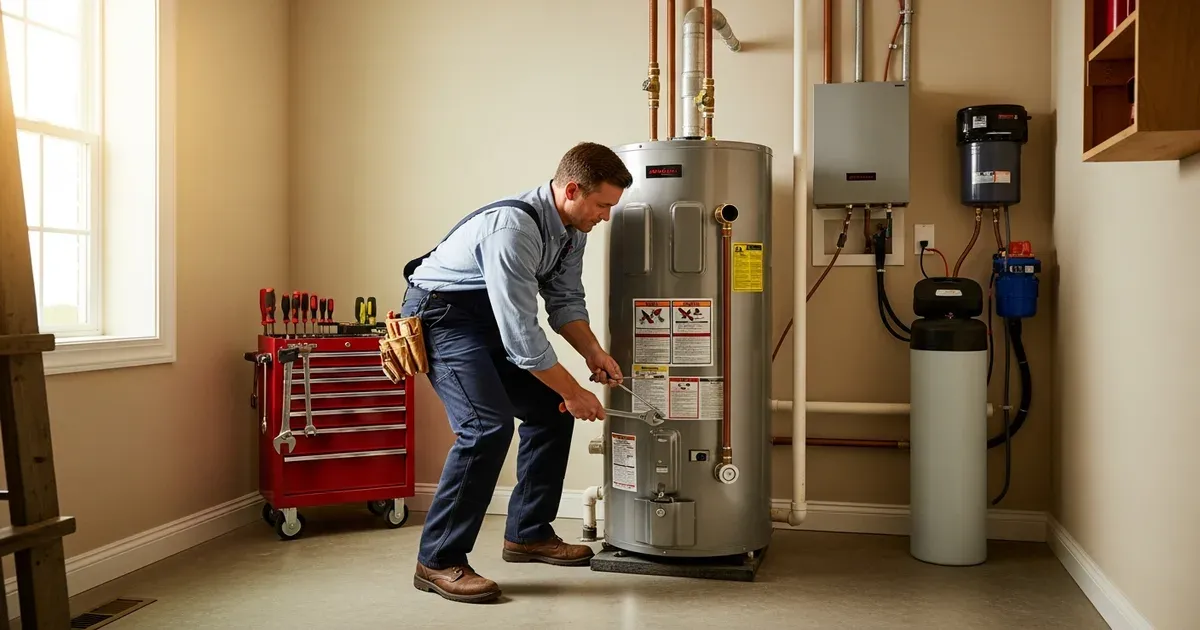
Living in Denton, you know a reliable water heater isn’t just a luxury—it’s a necessity. From those scorching 100+ degree summers that still demand a cool shower, to the frosty winter mornings where hot water is your only comfort, your water heater works hard all year round. But like any appliance, it won’t last forever. Ignoring the early signs of a failing water heater can lead to a sudden cold shower, a flooded laundry room, or even costly structural damage to your Denton home. Let’s talk about what to look for and when it’s time to call in the pros.
Why Your Water Heater Deserves Attention in Denton
Our unique Denton climate and local conditions put extra stress on home systems. Denton County’s hard water is notorious for causing mineral buildup in pipes and appliances, including your water heater. This sediment can reduce efficiency and shorten its lifespan. Plus, with our intense weather swings, your water heater is constantly adjusting to different demands, from high usage during summer to combat humidity to constant heating in winter. Proactive maintenance and recognizing warning signs can save you a lot of headache and money.
Common Signs Your Water Heater Is Giving Up
Catching these issues early can prevent a minor problem from becoming a major disaster. Here are the most common red flags that your water heater might be on its last leg:
Lack of Hot Water or Fluctuating Temperatures
This is often the most obvious sign. If you’re finding that your showers are getting colder sooner, or if your hot water supply isn’t lasting as long as it used to, your water heater might be struggling. For homeowners in Robson Ranch or Rayzor Ranch, where homes can range from newer builds to established properties, this symptom often points to sediment buildup at the bottom of the tank, which reduces the effective heating capacity. It could also indicate a failing heating element in electric models or a burner issue in gas models.
Strange Noises Coming from the Tank
Does your water heater sound like it’s rumbling, popping, or even sizzling? These noises are usually a clear indicator of sediment buildup. As water heats, minerals (like calcium and magnesium common in Denton’s hard water) settle at the bottom of the tank. When these sediments are reheated, they harden and crack, creating those strange sounds. This buildup also makes your unit work harder, consuming more energy and eventually leading to inefficient heating or premature failure.
Leaking Water Around the Tank
A leak is perhaps the most urgent sign. Any visible water around the base of your water heater should be addressed immediately. Leaks can originate from several places:
- Pressure Relief Valve: This valve can leak if pressure inside the tank is too high.
- Drain Valve: Sometimes these valves can loosen or fail over time.
- Tank Itself: A leak directly from the tank often means the inner lining has corroded, and this usually signals the end of its life.
Ignoring a leak can lead to significant water damage to your flooring, walls, and even foundation, which is especially concerning given Denton’s expansive clay soils. Water intrusion can quickly lead to mold growth and expensive repairs. If you see water, don’t wait.
Rusty or Discolored Water
If your hot water comes out rusty or has a reddish tint, it’s a strong sign of internal corrosion. This means the inside of your water heater tank or the pipes leading to it are rusting. While sometimes it could be an issue with your home’s pipes, if it only happens with hot water, the water heater is the likely culprit. This corrosion can lead to leaks and eventually tank failure. It also means you’re bathing and washing dishes with rusty water, which isn’t ideal for health or cleanliness.
Foul Smells from Hot Water
Do you notice a “rotten egg” smell when you turn on the hot water? This unpleasant odor is typically caused by sulfur bacteria reacting with the anode rod inside your water heater. The anode rod is designed to protect the tank from corrosion, but sometimes it can foster bacterial growth, especially in stagnant water or if the water supply has a high sulfur content. While not always a sign of total failure, it indicates an issue that needs attention, potentially requiring a tank flush and anode rod replacement.
Increased Energy Bills
If your utility bills, particularly for electricity (if you have an electric water heater serviced by Oncor) or natural gas (from Atmos Energy), have mysteriously climbed without a change in usage, your water heater could be the cause. An inefficient water heater has to work harder and longer to heat water, consuming more energy in the process. Sediment buildup, failing heating elements, or a lack of proper insulation can all contribute to this increased energy consumption.
Age of Your Water Heater
Even without any obvious symptoms, the age of your water heater is a critical factor. Most conventional tank water heaters have a lifespan of 8-12 years. Tankless models can last much longer, typically 20 years or more. If your unit is nearing or has surpassed its expected lifespan, it’s a ticking time bomb. Older units are more prone to all the issues listed above and are generally less efficient than newer models. Knowing your water heater’s age, especially in older Denton homes in areas like the historic downtown or established neighborhoods around UNT, can help you plan for replacement before an emergency strikes.
Understanding Water Heater Lifespans and Costs
Knowing the typical lifespan of different water heater types can help you anticipate replacement needs. Here’s a general guide for Denton homeowners:
| Water Heater Type | Average Lifespan (Years) | Average Denton Replacement Cost (Installed) | Key Considerations for Denton Homes |
|---|---|---|---|
| Standard Tank (Gas) | 8-12 | $1,500 - $3,000 | Common, efficient for gas homes, requires venting. |
| Standard Tank (Electric) | 8-12 | $1,200 - $2,500 | Common, easier installation, can be less efficient if not properly sized. |
| Tankless (Gas) | 20+ | $3,500 - $7,000+ | High upfront cost, energy savings, endless hot water. |
| Tankless (Electric) | 20+ | $2,500 - $5,000+ | Lower flow rates than gas tankless, good for smaller homes or point-of-use. |
| Hybrid (Heat Pump) | 10-15 | $3,000 - $6,000 | Very energy efficient, requires more space and specific temperature conditions. |
Note: These costs are estimates for Denton County, including the unit and professional installation. Actual costs can vary based on brand, capacity, location (e.g., attic vs. garage), and any necessary upgrades to plumbing or electrical systems.
What Happens If You Ignore the Signs?
Ignoring the warning signs of a failing water heater is like playing Russian roulette with your home. The consequences can be severe:
- Sudden Failure and No Hot Water: Imagine waking up to a freezing cold shower right before a big meeting. A sudden breakdown means immediate inconvenience and an emergency replacement, which often costs more than a planned one.
- Water Damage and Flooding: This is the biggest fear. A burst water heater can release dozens of gallons of water into your home in minutes. This can ruin flooring, drywall, furniture, and personal belongings. Given Denton’s clay soil, excessive moisture around your foundation can also exacerbate existing foundation issues, leading to expensive repairs for your home’s structural integrity.
- Higher Repair/Replacement Costs: Waiting until the unit completely fails often means more extensive damage and potentially higher costs for both the water heater and any related home repairs.
- Safety Hazards: Gas water heaters have additional risks, including gas leaks or carbon monoxide leaks if not properly vented. Electrical water heaters can pose fire or shock hazards if wiring is faulty or corroded.
Denton-Specific Considerations for Water Heaters
Living in Denton means dealing with specific factors that influence your water heater’s performance and longevity:
- Hard Water: As mentioned, Denton’s hard water is a major contributor to sediment buildup. Regular flushing (at least once a year) is crucial to extend your unit’s life.
- Climate Extremes: Our summers stress cooling systems, but they also mean your water heater is working hard to provide hot water for showers after yard work or swimming. In winter, colder incoming water requires more energy to heat, putting a strain on the unit.
- Local Codes and Permits: For significant plumbing work like water heater replacement, Denton County often requires permits to ensure the job meets safety and building codes. A reputable contractor will handle this for you.
- Foundation Concerns: Water leaks from any source, including a failing water heater, can be particularly damaging to homes built on Denton’s expansive clay soils. Water can cause the soil to swell and put pressure on your foundation, leading to cracks and structural problems. Prompt leak detection and repair are vital.
When to Repair vs. Replace
Deciding whether to repair or replace your water heater can be tricky. Here are some guidelines:
- Age: If your tank water heater is over 10 years old, replacement is usually the more economical choice in the long run. Repairs on an old unit are often temporary fixes that lead to more problems down the road.
- Cost of Repair: If the repair cost is more than 50% of the cost of a new unit, it’s generally better to replace it. For example, a new standard tank water heater might cost $1,500 - $3,000 installed. If a major repair (like a tank leak or multiple failing components) is costing you $800 - $1,500, put that money towards a new, more efficient model.
- Severity of Issue: A leaking tank is almost always a sign that replacement is necessary. Minor issues like a faulty thermostat or a single heating element might be worth repairing on a younger unit.
Water Heater Woes? Get Expert Help in Denton!
Denton Home Services connects you with licensed, insured contractors — free estimates, no trip fees, no pressure.
Find a Water Heater Specialist Near You →Maintenance Tips to Extend Your Water Heater’s Life
A little preventative care can go a long way in extending your water heater’s lifespan and efficiency, especially with Denton’s hard water:
- Flush the Tank Annually: This is perhaps the most important tip for Denton homeowners. Draining a few gallons from the tank helps remove sediment buildup, improving efficiency and preventing corrosion.
- Inspect the Anode Rod: The anode rod sacrifices itself to prevent the tank from rusting. Have a professional check it every 3-5 years and replace it if it’s significantly corroded.
- Check the Temperature and Pressure (T&P) Relief Valve: Test this valve annually to ensure it’s working correctly and can release pressure if needed.
- Set the Right Temperature: Most manufacturers recommend setting your water heater to 120°F. This is hot enough for most uses, reduces scalding risk, and saves energy.
- Insulate Your Tank and Pipes: In an unconditioned space like a garage or attic, insulating your hot water tank and the first few feet of hot water pipe can reduce heat loss, especially during Denton’s colder months, saving you energy.
Choosing the Right Water Heater for Your Denton Home
If you do need a new water heater, consider these factors specific to your Denton home:
- Tank vs. Tankless:
- Tank models are generally less
Frequently Asked Questions
How much does it cost to replace a water heater in Denton, TX?
Water heater replacement costs in Denton, TX typically range from $1,200 to $2,500 for a standard tank unit, including installation. This can vary based on the unit's size, type (gas or electric), and any necessary plumbing modifications to meet current Denton codes. For tankless units, costs can be higher, often between $3,000 and $6,000.
What is the average lifespan of a water heater in Denton County homes?
In Denton County, a conventional tank water heater typically lasts between 8 to 12 years. Factors like our local hard water, which causes mineral buildup, and consistent usage can affect this timeline. Regular maintenance, such as annual flushing, can help extend its operational life.
Can I flush my water heater myself to prevent sediment buildup in Denton?
While flushing your water heater yourself is possible, it's crucial to follow safety guidelines to prevent injury or damage. Given Denton's hard water, a professional flush ensures thorough removal of stubborn sediment and proper re-pressurization. If you're unsure, it's best to call a Denton plumbing professional.
What are the pros and cons of tankless water heaters vs. traditional tanks for a North Texas home?
Tankless water heaters offer endless hot water and greater energy efficiency, which can be beneficial during peak demand in North Texas. However, they have a higher upfront cost and may require gas line upgrades. Traditional tank units are less expensive to install and familiar to most homeowners but have a limited hot water supply.
Are permits required for water heater replacement in Denton, Texas?
Yes, in Denton, Texas, a plumbing permit is typically required for water heater replacement to ensure the installation meets local building and safety codes. This protects your home and ensures the work is performed to professional standards. Your chosen plumbing contractor should handle obtaining the necessary permits.
What should I do if my water heater bursts and floods my Denton home?
If your water heater bursts and floods your Denton home, first, immediately turn off the water supply to the unit and the main water supply to your house. Next, cut the power to the water heater at your electrical panel or gas supply. Then, contact a professional plumber for emergency service and begin water cleanup to prevent further damage.
How often should I have my water heater inspected in Denton to prevent failure?
It's recommended that Denton homeowners have their water heater inspected annually by a qualified plumber. This routine check allows for early detection of issues like sediment buildup, anode rod corrosion, or pressure problems common in our area. Proactive maintenance can significantly extend your unit's lifespan and prevent unexpected breakdowns.
How can I improve my water heater's energy efficiency in my Denton, TX home?
To improve energy efficiency in your Denton, TX home, consider insulating your water heater tank and the first six feet of hot and cold water pipes. You can also lower the thermostat setting to 120°F (49°C) and schedule annual flushes to remove efficiency-reducing sediment. For older units, upgrading to a newer, more efficient model might be the best option.
Denton Home Services connects you with licensed, vetted contractors — fast and free.
Get a Free Estimate →