Why Your AC Can't Keep Up in 100-Degree Texas Heat
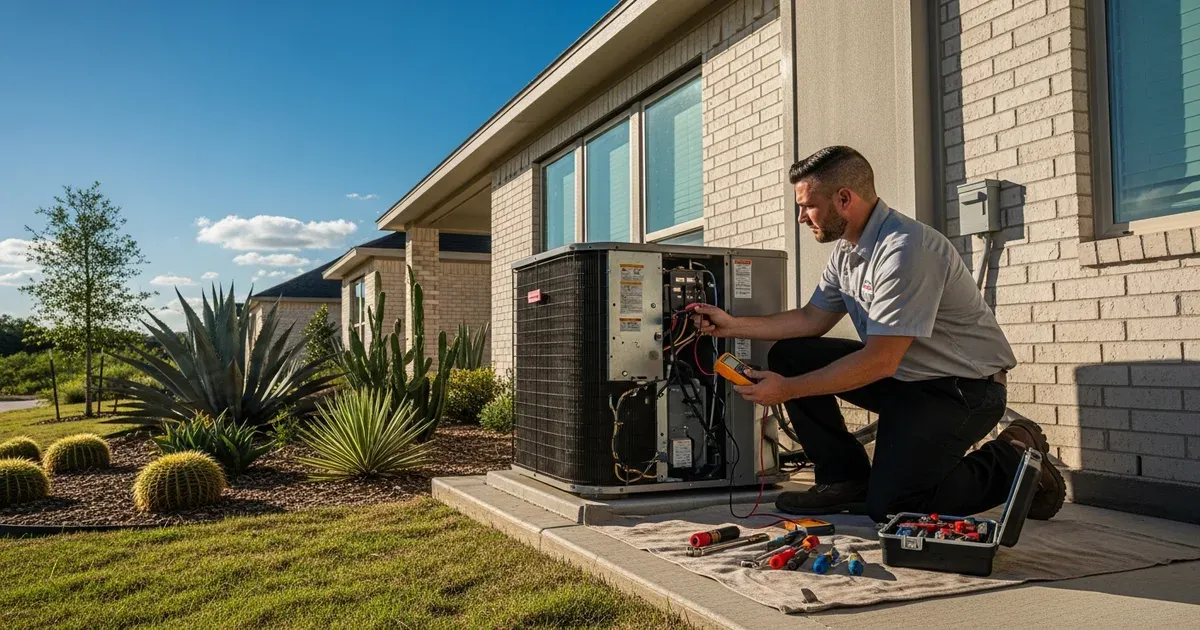
Denton homeowners know that summer isn’t just warm; it’s a full-on battle against the Texas heat. When temperatures consistently hit the triple digits, pushing past 100 degrees day after day, your air conditioner works harder than ever. If you’ve found your AC struggling to keep your home cool and comfortable, you’re not alone. It’s a common frustration here in Denton County, from the older homes in the historic district to newer builds in areas like Robson Ranch or Rayzor Ranch.
When your AC can’t keep up, it’s more than just an inconvenience; it can be a health concern and a major hit to your energy bill. Understanding why your system might be faltering is the first step toward getting your cool back. Let’s dive into the reasons your AC might be struggling and what you can do about it.
Why Your AC Struggles in 100+ Degrees
Think of your air conditioner as a giant heat pump. Its job isn’t just to make cold air; it’s to remove heat from inside your home and release it outside. On a 100-degree day, your AC is trying to push heat out into an environment that’s already incredibly hot. This is a much tougher job than on a mild 75-degree day.
Every AC unit has a design limit. It can typically cool your home to about 15-20 degrees below the outdoor temperature. So, if it’s 105 degrees outside, your AC might only be able to bring your indoor temperature down to 85-90 degrees, even if it’s working perfectly. When systems are older, not properly maintained, or facing other issues, they struggle even more to reach that target.
Common Reasons Your AC Can’t Keep Up
Several factors can contribute to your AC’s inability to beat the Denton heat. Some are simple fixes, while others require professional attention.
1. Lack of Regular Maintenance
This is arguably the most common culprit. Just like your car needs oil changes, your AC needs regular tune-ups. Over time, dust and grime build up on critical components.
A dirty air filter is the easiest fix here, restricting airflow and making your system work harder. But dirt also coats the evaporator coil (inside unit) and condenser coil (outside unit), insulating them and preventing efficient heat transfer. This means your AC has to run longer and harder to achieve the same cooling effect, if it can achieve it at all.
2. Low Refrigerant Levels or Leaks
Refrigerant (often called Freon, though that’s a brand name) is the chemical that absorbs heat from your indoor air and releases it outside. If your system is low on refrigerant, it can’t transfer heat effectively. This isn’t something that “runs out” like gas in a car; a low level almost always indicates a leak.
Leaks can be tiny and hard to find, but a professional can detect and repair them, then recharge your system. Running an AC with low refrigerant can also damage the compressor, which is a very expensive repair.
3. Undersized AC Unit for Your Home
Sometimes, the problem isn’t with the AC itself, but with its capacity. If your AC unit is too small for your home’s square footage or heat load, it will constantly run without ever reaching your desired temperature. This can happen if the original unit was improperly sized, or if you’ve added an extension to your home without upgrading your HVAC system.
Homes in areas like Argyle or Lantana, with larger square footage, are particularly susceptible to this if their AC units aren’t appropriately sized. An undersized unit will wear out faster due to constant operation and lead to consistently high energy bills.
4. Ductwork Problems
Your ductwork is the circulatory system of your AC, distributing cooled air throughout your home. Leaky ducts can lose a significant amount of cooled air into unconditioned spaces like your attic or crawl space. This means less cool air makes it to your living areas, making your AC work harder for nothing.
Poorly insulated ducts, especially in hot attics common in Texas homes, also allow the cooled air to warm up before it even reaches your vents. Damage from pests or shifting foundations (a concern with Denton’s clay soil) can also create duct leaks.
5. Thermostat Issues
Sometimes the problem is as simple as a malfunctioning thermostat. If it’s not reading the temperature correctly, it might tell your AC to stop cooling too soon or to run when it doesn’t need to. Battery issues, faulty wiring, or even direct sunlight hitting the thermostat can cause inaccurate readings.
Ensure your thermostat is set to “Auto” rather than “On” for the fan. “On” will run the fan constantly, which can sometimes make your home feel warmer as it circulates air that hasn’t been cooled.
6. Poor Home Insulation and Air Sealing
Your AC can be working perfectly, but if your home isn’t properly insulated or sealed, heat will simply pour in. Gaps around windows and doors, insufficient attic insulation, or an unsealed crawl space allow the scorching Denton heat to infiltrate your living space.
This is especially critical in older homes in neighborhoods like the Texas Woman’s University area, where insulation might be outdated. Sealing air leaks and upgrading insulation can significantly reduce the load on your AC. You might even consider having a professional assess your attic ventilation to ensure proper airflow and heat escape.
7. Electrical Problems
Your AC system relies on several electrical components to function. A failing capacitor, which helps start the compressor and fan motors, can prevent your unit from running efficiently or even starting at all. Issues with the contactor, wiring, or even a tripped breaker can also stop your AC from cooling.
These electrical problems can sometimes mimic other issues, so it’s best to have a qualified technician diagnose them. Attempting DIY electrical repairs can be dangerous.
8. Outdoor Unit Obstructions
Your outdoor unit (the condenser) needs clear airflow to release heat effectively. If it’s surrounded by overgrown shrubs, fences, or debris, it can’t dissipate heat properly. This forces the unit to work harder, reduces its efficiency, and can lead to premature wear.
Make sure there’s at least 2-3 feet of clear space around all sides of your outdoor unit. Also, ensure the fins aren’t bent or clogged with dirt, which can impede airflow.
Is Your AC Struggling to Keep Up?
Denton Home Services connects you with licensed, insured contractors — free estimates, no trip fees, no pressure.
Get a Free AC Repair Estimate →DIY Checks You Can Do
Before calling a professional, there are a few simple things you can check:
- Check your air filter: Replace it if it’s dirty. This is the easiest and cheapest fix.
- Thermostat settings: Ensure it’s set to “Cool” and the fan is on “Auto.” Check if the batteries are fresh.
- Outdoor unit: Clear away any debris, plants, or obstructions around the condenser. Gently rinse the outdoor coils with a garden hose (make sure the unit is off first).
- Vents: Ensure all supply vents are open and not blocked by furniture or curtains.
- Breaker: Check your electrical panel to see if the AC breaker has tripped. Flip it off then on again.
If these steps don’t resolve the issue, it’s time to call in the experts.
When to Call a Professional
For anything beyond a simple filter change or clearing debris, it’s always best to call a licensed HVAC technician. Dealing with refrigerant, high-voltage electricity, or complex mechanical parts requires specialized knowledge and tools. Trying to fix these issues yourself can be dangerous and could void your warranty or cause more expensive damage.
A professional can accurately diagnose the problem, provide a safe and effective repair, and ensure your system is running optimally for the extreme Denton climate.
Cost of AC Repair in Denton
The cost of AC repair in Denton County can vary widely depending on the issue, the age of your system, and the specific parts needed. Here’s a general idea of common repair costs:
| Common AC Repair | Typical Cost Range (Denton, TX) | Details |
|---|---|---|
| AC Tune-Up | $75 - $200 | Essential annual service, includes cleaning coils, checking refrigerant, electrical components, and airflow. |
| Air Filter Replacement | $10 - $40 | For standard filters (DIY), professional replacement may be part of a tune-up. |
| Capacitor Replacement | $150 - $400 | Common electrical component failure, relatively quick fix. |
| Contactor Replacement | $150 - $350 | Another common electrical component. |
| Refrigerant Recharge | $200 - $600+ | Requires leak detection and repair first, cost depends on refrigerant type and amount. |
| Fan Motor Replacement | $300 - $700 | For either the indoor blower motor or outdoor condenser fan motor. |
| Duct Repair/Sealing | $300 - $1,500+ | Depends on the extent of damage and accessibility. |
| Condensate Drain Line Repair | $100 - $300 | Clearing a clog or repairing a leak. |
| Compressor Replacement | $1,500 - $3,000+ | Major component, often warrants considering a full unit replacement if the system is older. |
These are estimated costs for Denton and surrounding areas and can vary based on the specific contractor, parts, and labor involved.
Preventative Maintenance is Key
The best way to avoid your AC struggling in the heat is through proactive maintenance. Scheduling an annual HVAC tune-up in the spring (before the heat hits!) can catch small issues before they become major problems. A technician will clean coils, check refrigerant levels, inspect electrical components, and ensure everything is running efficiently. This not only saves you money on repairs but also extends the life of your unit and keeps your energy bills lower.
Denton-Specific Considerations
Living in Denton, we face unique challenges that impact our HVAC systems:
- Extreme Heat: Our notorious 100+ degree summers put immense strain on AC units, making proper sizing and maintenance even more critical.
- Clay Soil: Denton’s expansive clay soil can shift over time, potentially affecting your home’s foundation and, consequently, your ductwork or even the concrete pad your outdoor unit sits on.
- Hail Storms: We frequently experience severe weather, including hail. While your outdoor unit is robust, large hail can damage the delicate fins of the condenser coil, reducing its efficiency. After a storm, it’s worth a quick visual check.
- Oncor Grid: With our reliance on the Oncor power grid, efficient AC operation is vital, especially during peak demand. A struggling AC not only costs you more but also adds to the strain on the local infrastructure.
- Local Codes: Denton building codes ensure new installations and major repairs meet certain standards for efficiency and safety. Any major HVAC work should always be done by a licensed contractor familiar with these local requirements.
Whether you’re in a historic home near UNT or a newer development in Providence Village, understanding these local factors helps you make informed decisions about your home’s comfort.
Bottom Line
When your AC can’t keep up with the brutal Denton heat, it’s a clear sign something isn’t right. From simple fixes like a dirty air filter to more complex issues like refrigerant leaks or an undersized unit, a variety of problems can lead to diminished cooling performance. Regular maintenance is your best defense, but when problems arise, knowing when to call a professional is crucial. Don’t sweat through another Denton summer – get your AC checked and enjoy a cool, comfortable home.
FAQS_JSON:[{“question”:“How often should I have my AC serviced in Denton, TX?”,“answer”:“Given Denton’s extreme summer heat, it’s highly recommended to have your AC system professionally serviced at least once a year, ideally in the spring before temperatures consistently hit the 90s and 100s. This preventative maintenance helps identify potential issues early and ensures your system is ready for the intense workload.”},{“question”:“What’s the typical lifespan of an AC unit in Denton’s climate?”,“answer”:“With proper maintenance, an AC unit in Denton typically lasts between 10 to 15 years. However, the constant strain of 100+ degree summers can shorten this lifespan if the unit isn’t regularly serviced or if it’s consistently undersized for the home’s cooling needs.”},{“question”:“Why do I hear my AC running constantly but it’s still hot inside?”,“answer”:“This usually indicates your AC is struggling to overcome the heat load in your home. Common reasons include a dirty air filter, low refrigerant due to a leak, an undersized unit, leaky ductwork losing cool air to your attic, or poor home insulation allowing too much heat in. A professional can diagnose the exact cause.”},{“question”:“Can Denton’s clay soil affect my AC
Frequently Asked Questions
How much does AC repair typically cost in Denton, Texas?
AC repair costs in Denton can vary widely, from $150-$400 for minor fixes like a capacitor replacement to $500-$1500+ for more complex issues such as a fan motor or coil repair. Major compressor issues or refrigerant leaks can push costs higher, sometimes making replacement a more economical option for older units. Always get a detailed quote from a local Denton HVAC professional.
When is it time to replace my AC unit instead of repairing it in Denton County?
Consider replacing your AC if it's over 10-12 years old, frequently breaks down, or faces a major repair costing more than 50% of a new unit's price. Newer, high-efficiency models can offer significant energy savings against the intense North Texas heat, often paying for themselves over time.
What are some immediate steps Denton homeowners can take to help their AC in extreme Texas heat?
Beyond changing your air filter, ensure windows and doors are sealed to prevent air leaks, use blackout curtains on west-facing windows, and set your thermostat no lower than 78 degrees when you're home. Using ceiling fans can also make rooms feel 4-7 degrees cooler without overworking your AC in areas like the Golden Triangle.
Are there specific HVAC efficiency standards or permits required for AC installation in Denton, TX?
Yes, Denton adheres to state and national energy efficiency standards for new AC installations, typically requiring SEER2 ratings of 13.4 or higher for split systems. A permit from the City of Denton Building Inspections Division is required for all new HVAC installations and major system replacements to ensure compliance with local codes and safety.
What type of AC system is best suited for homes in North Texas battling 100-degree summers?
For optimal performance in North Texas's extreme heat, look for AC systems with higher SEER2 ratings (16 SEER2 or above) or variable-speed compressors, which can better handle continuous operation. Dual-fuel systems combining a heat pump with a gas furnace are also highly efficient for both cooling and our occasional winter freezes.
What are common signs my AC is failing beyond just not keeping up in Denton, Texas?
Watch for unusual noises like grinding or squealing, foul or musty odors coming from vents, or inconsistent cooling with hot and cold spots throughout your Denton home. High humidity indoors despite the AC running, or frequent short cycling, are also strong indicators of a system struggling or failing.
What should I do if my AC completely stops working during a heat advisory in Denton, Texas?
First, check your circuit breaker to ensure it hasn't tripped, then confirm your thermostat is set correctly. If that's not the issue, contact a local Denton HVAC company immediately for emergency service, as prolonged exposure to triple-digit indoor temperatures can be dangerous. Consider staying with friends or family, or visiting a public cooling center if available.
How does the age of my home in Denton affect my AC's ability to cope with 100-degree Texas heat?
Older homes in Denton's historic districts, often built with less insulation and older ductwork, typically struggle more to maintain comfortable temperatures in extreme heat compared to newer builds in developments like Rayzor Ranch. Upgrading insulation, sealing ducts, and ensuring proper ventilation are crucial for these older properties to achieve optimal cooling.
Denton Home Services connects you with licensed, vetted contractors — fast and free.
Get a Free Estimate →