Best Pool Opening Checklist for Denton County Homeowners
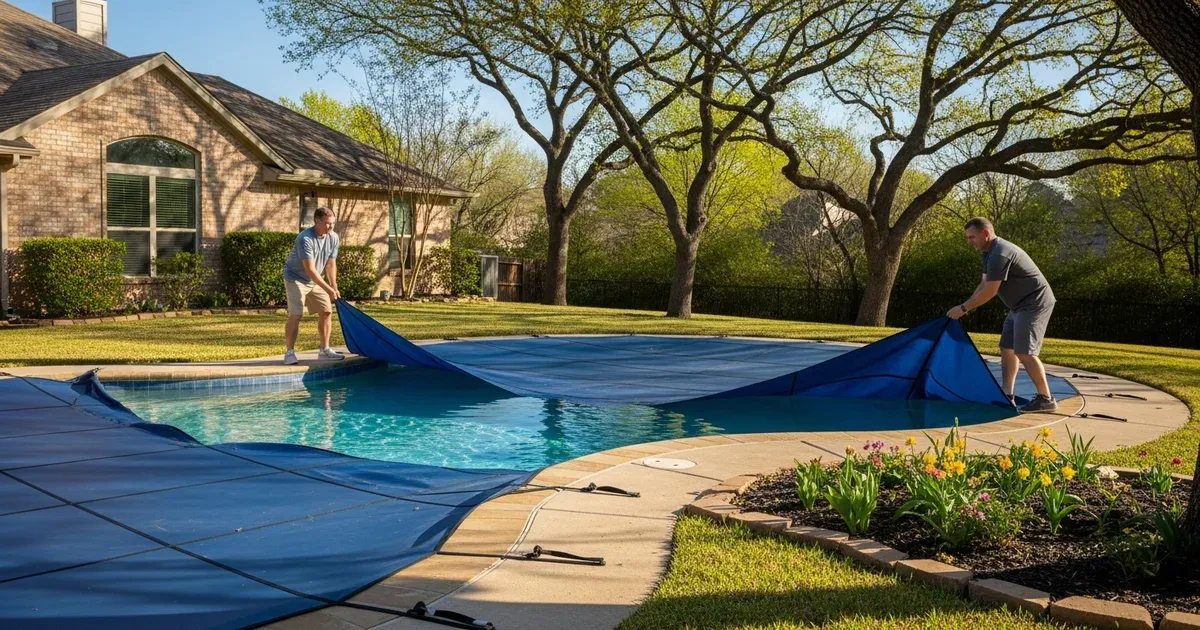
The sun is shining, the temperatures are rising, and pretty soon, those refreshing dips in your backyard pool will be calling your name. For Denton County homeowners, opening your pool correctly isn’t just about fun – it’s about making sure your oasis is ready to handle our famously hot North Texas summers, especially those 100+ degree days we know are coming. A proper pool opening sets the stage for a season of clear, clean water and hassle-free enjoyment.
This guide will walk you through everything you need to know to get your pool sparkling and ready. We’ll cover timing, essential steps, common pitfalls, and when it’s best to call in a Denton-area pro. Let’s get that pool ready for some serious splashing!
Why Proper Pool Opening Matters in Denton’s Climate
Denton’s climate presents unique challenges for pool owners. Our scorching summers mean that if your pool isn’t opened and balanced properly, you could be battling algae blooms and cloudy water for weeks. The intense heat acts as a super-accelerant for bacteria and algae growth.
Opening your pool too late, say in late May or early June, often means you’re already fighting an uphill battle against green water. Getting a head start in April or early May allows you to establish good water chemistry before the heat truly takes hold. This proactive approach saves you time, money, and frustration down the line.
Timing Your Pool Opening in Denton County
When is the ideal time to open your pool in Denton? Most local pool experts recommend aiming for mid-April to early May. By this time, daily temperatures are consistently in the 70s and 80s, but the extreme heat hasn’t quite arrived. This “sweet spot” gives you several advantages:
- Prevent Algae: Water temperatures consistently above 65°F are an open invitation for algae to start growing under your pool cover. Opening earlier helps you get ahead of this.
- Avoid the Rush: Professional pool service companies in Denton get incredibly busy as summer approaches. Scheduling your opening earlier means better availability and potentially more flexible timing.
- Enjoy Longer: Who wants to wait until June to swim? Opening in May gives you an extra month or more of pool enjoyment.
While some hardy folks might wait until Memorial Day, Denton’s climate often makes that a risky gamble if you want a crystal-clear pool from day one.
Before You Begin: Essential Preparations
Before you even think about pulling off that winter cover, a little preparation goes a long way. Gathering your tools and supplies now will make the whole process smoother and more efficient.
Gather Your Supplies
Make sure you have everything you need on hand. A trip to your local pool supply store in Denton can cover most of these items:
- Water Testing Kit: A good quality liquid test kit or test strips are crucial for accurate readings.
- Pool Chemicals: Shock, pH increaser/decreaser, alkalinity increaser, calcium hardness increaser, algaecide.
- Cleaning Tools: Skimmer net, wall brush, pool vacuum (manual or robotic), leaf blower or garden hose.
- Safety Gear: Gloves, eye protection.
- Replacement Parts: Any spare O-rings, drain plugs, or skimmer baskets you might need.
Inspect Your Equipment
Take a moment to look over your pool equipment area. Check for any obvious signs of damage from winter weather, especially if we had any of those surprise Denton hail storms. Look for cracked pipes, frayed electrical wires, or signs of rodent activity. This is also a good time to ensure your filter is clean and ready. If you notice any issues with your pool’s plumbing or electrical systems, it’s wise to call in a professional before proceeding. Denton Home Services can connect you with trusted plumbing and electrical service pros to handle any necessary repairs safely and efficiently.
Clean the Pool Area
Clear away any debris, leaves, or branches that have accumulated around your pool deck over the winter. This prevents them from falling into your freshly opened pool. Ensure pathways are clear and any pool safety equipment, like safety ropes or rescue hooks, are easily accessible. If you have a safety fence around your pool, ensure it’s in good repair and meets Denton’s local safety codes – a crucial step for family safety!
Step-by-Step Pool Opening Checklist
Now for the main event! Follow these steps carefully to ensure a smooth and successful pool opening.
1. Remove and Clean the Pool Cover
This is often the messiest part. Carefully remove any standing water or debris from the top of your winter cover using a pump or bucket. Once the cover is mostly clean, gently pull it off, trying not to let accumulated debris fall into the pool water.
Lay the cover out on a clean, flat surface (your lawn or driveway works well). Clean both sides thoroughly with a mild detergent and a soft brush, then rinse it completely. Allow it to dry fully in the sun before folding and storing it away for the summer. Proper cleaning and storage will extend the life of your expensive pool cover.
2. Reinstall Pool Equipment and Accessories
Now it’s time to put everything back together. Reinstall drain plugs in your pump and filter, and replace any pressure gauges. Put back your skimmer baskets, return eyeballs, ladder, diving board, and any other accessories you removed for winter. Ensure all connections are tight and secure.
3. Fill the Pool
If your pool water level dropped over the winter, now is the time to fill it back up. Use a garden hose to bring the water level to the middle of your skimmer opening. This ensures your pump can prime properly without sucking in air. Depending on your pool size and how much it dropped, this could take several hours. Denton water can sometimes be a bit hard, so be prepared to adjust for that in your chemical balancing later.
4. Inspect and Start Equipment
Before turning anything on, double-check all connections, valves, and plugs. Make sure your filter is assembled correctly. Then, turn on your pool pump. You might need to prime it by opening the air relief valve on top of the filter until a steady stream of water comes out. Close the valve once water flows.
Listen for any unusual noises from the pump or filter. Check for leaks around connections. If you have a pool heater, inspect it for any signs of damage before turning it on. Remember, your pool equipment runs on electricity provided by companies like Oncor, so ensure all electrical connections are safe and dry.
5. Test and Balance Water Chemistry
This is arguably the most critical step for a healthy pool. Take a water sample and use your test kit or strips to check the following parameters. Denton’s water can sometimes have specific mineral compositions, so accurate testing is key.
| Parameter | Ideal Range | Why It Matters |
|---|---|---|
| pH | 7.4 - 7.6 | Affects chlorine effectiveness and swimmer comfort. |
| Alkalinity | 80 - 120 ppm | Buffers pH, preventing drastic swings. |
| Calcium Hardness | 200 - 400 ppm | Prevents equipment corrosion or scale buildup. |
| Chlorine | 1 - 3 ppm | Sanitizes the water, killing bacteria and algae. |
| Cyanuric Acid (CYA) | 30 - 50 ppm | Stabilizes chlorine from UV degradation (crucial for Denton’s strong sun). |
Adjust each chemical parameter one at a time, allowing several hours (or even overnight) between adjustments for the chemicals to circulate and dissolve. Always follow the manufacturer’s instructions for dosage. Start with alkalinity, then pH, then calcium hardness, and finally, chlorine.
Ready to Dive into a Sparkling Pool Season?
Denton Home Services connects you with licensed, insured contractors — free estimates, no trip fees, no pressure.
Find Pool Opening Pros in Denton →6. Shock the Pool
Once your water is balanced, it’s time to shock the pool. This involves adding a high dose of chlorine to kill off any lingering algae, bacteria, and contaminants that built up over winter. Follow the product instructions carefully. Most shock treatments recommend adding them at dusk or night to prevent the sun’s UV rays from immediately burning off the chlorine.
After shocking, your pool might look cloudy. This is normal. Run your filter continuously for at least 24 hours after shocking.
7. Clean the Pool Thoroughly
With the chemicals working their magic, it’s time for some elbow grease. Skim the surface for any remaining debris. Brush the walls and floor of your pool to dislodge any stuck-on grime or algae. Then, vacuum the pool thoroughly. You might need to do this several times over the next few days until the water is completely clear.
8. Run the Filter
Continue to run your pool filter continuously for 24-48 hours after shocking and cleaning. This allows the filter system to remove all the dead algae and suspended particles, clearing up your water. Backwash or clean your filter as needed, especially if you notice a drop in pressure or flow.
9. Final Checks
Once your water is crystal clear, perform one last round of water testing. Make any final minor adjustments to your chemical levels. Now, your pool should be perfectly balanced and ready for swimming!
Common Pool Opening Mistakes to Avoid (Denton Edition)
Even experienced pool owners can sometimes make simple mistakes. Here are a few common ones to watch out for, especially in Denton County:
- Waiting Too Long: As mentioned, delaying your opening until late May or June almost guarantees you’ll be battling a green pool. The Denton heat is relentless.
- Skipping Water Testing: Guessing at chemical levels is a recipe for disaster. Always test your water and make adjustments based on the results.
Frequently Asked Questions
How much does professional pool opening service cost in Denton, Texas?
Professional pool opening services in Denton typically range from $150 to $350, depending on the size of your pool, its condition, and whether it's a full-service opening or just chemical balancing. This usually includes removing the cover, reattaching equipment, and initial chemical adjustments to get your pool ready for the scorching North Texas summer.
What are the most common DIY mistakes Denton homeowners make when opening their pools?
A common mistake in Denton is neglecting to properly clean and store the pool cover, which can lead to mold and mildew. Another error is not running the filter long enough initially, or failing to balance chemicals correctly for our hard North Texas water, which can quickly lead to algae blooms in the rising temperatures.
Are there specific pool safety regulations or codes for Denton County homeowners to be aware of during pool season?
While pool opening itself doesn't have specific regulations, Denton County and city codes require safety features like proper fencing (at least 48 inches high) and self-latching gates around residential pools to prevent accidental drowning. Additionally, all pools must comply with federal Virginia Graeme Baker Pool and Spa Safety Act requirements for drain covers to prevent entrapment.
My pool is still cloudy after opening it in Denton. What should I do?
If your Denton pool remains cloudy after opening, first re-test your water chemistry thoroughly, paying close attention to pH, alkalinity, and calcium hardness, as imbalances are common. Then, shock the pool heavily, ensure your filter is running continuously, and consider using a clarifier to help clump small particles for the filter to remove, especially with our hard Texas water.
When should a Denton homeowner consider hiring a professional for pool opening instead of doing it themselves?
Denton homeowners should consider a pro if their pool cover is extremely dirty or damaged, if they're unfamiliar with complex pool equipment like automation systems, or if they consistently struggle with water chemistry issues. Professionals can save time and ensure the pool is perfectly balanced for the intense heat of a North Texas summer, preventing costly problems later.
How often should I test my pool water after opening it for the season in North Texas?
After opening your pool in North Texas, you should test the water at least 2-3 times per week, especially during the initial weeks and throughout peak summer when temperatures are consistently above 90°F. The intense heat and heavy usage in Denton can rapidly deplete sanitizers and throw off chemical balance, requiring frequent adjustments to maintain clear, healthy water.
What's the best way to clean a very dirty pool cover before storage in Denton, TX?
For a very dirty pool cover in Denton, lay it out on a clean, flat surface like your driveway and spray off loose debris with a hose. Use a soft brush and a mild detergent solution (or a specialized pool cover cleaner) to scrub away stubborn grime, algae, or mildew, which can accumulate quickly in our humid North Texas climate. Rinse thoroughly and allow it to dry completely in the sun before folding and storing in a pest-free area to prevent future growth.
What's the typical cost to close a pool for winter in Denton, Texas?
The typical cost for professional pool closing services in Denton, Texas, generally ranges from $200 to $400. This service usually includes lowering the water level, winterizing plumbing and equipment, adding winterizing chemicals, and securing the pool cover, preparing your pool for the mild but sometimes freezing North Texas winter.
Denton Home Services connects you with licensed, vetted contractors — fast and free.
Get a Free Estimate →