Signs of Foundation Problems in North Texas Homes
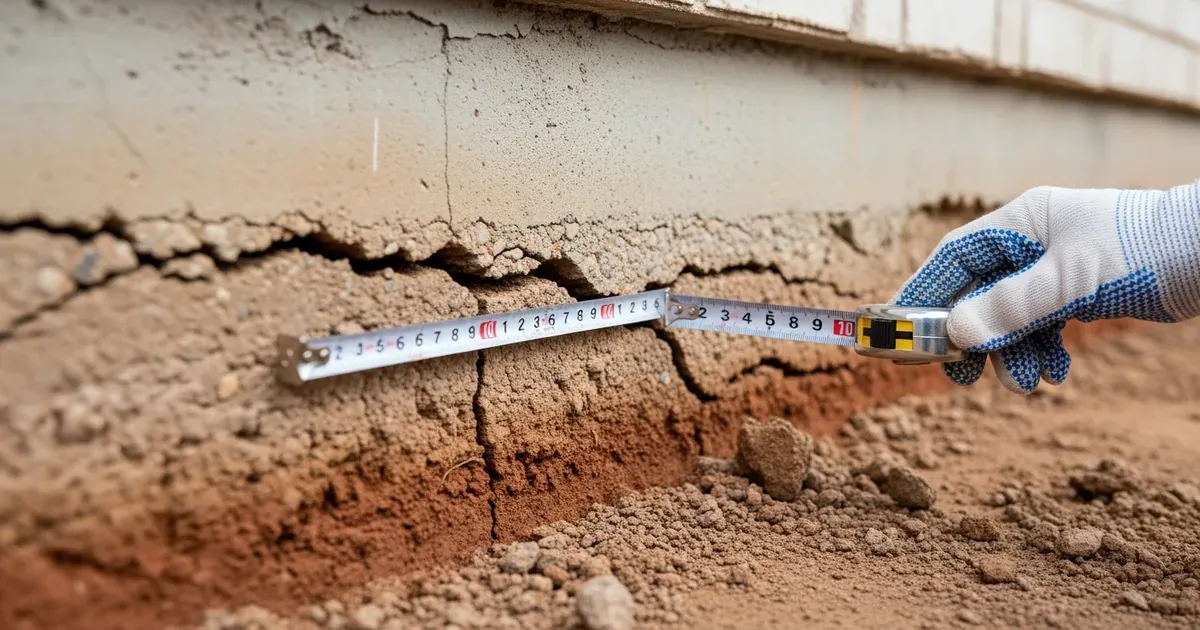
Living in Denton, TX, we all know our homes face unique challenges. From the sweltering 100+ degree summers to unexpected hailstorms and the notorious expansive clay soil, our North Texas climate puts a lot of stress on our houses. One of the most critical parts of your home, and often the most overlooked until problems arise, is its foundation. Understanding the signs of foundation problems early can save you a lot of headache and money down the road.
Why Denton Foundations Are So Prone to Problems
Denton County homes, whether they’re in established neighborhoods like Highland Village or newer developments near Rayzor Ranch, sit on what’s often called “gumbo clay.” This specific type of soil is highly reactive to moisture changes. When it’s dry, like during our long summer droughts, the clay shrinks and pulls away from your foundation. When it’s wet, from heavy rains or over-watering, it swells and pushes against your foundation. This constant shrinking and swelling, or “heave and shrink” cycle, creates movement that can stress your home’s foundation.
Our extreme weather plays a huge role. Years with severe droughts followed by periods of intense rainfall create a perfect storm for foundation issues. Think about the summer of 2023, with weeks of triple-digit temperatures; the soil dried out dramatically. Then, when the rains finally came, that rapid re-hydration can cause significant movement. This isn’t just a minor settling; it’s a serious shifting that can lead to structural damage.
Another factor is the age of many homes in Denton. Older homes, especially those built before modern foundation techniques and materials were common, can be more susceptible to these shifts. Even newer homes aren’t immune if proper drainage and soil preparation weren’t meticulously handled during construction. Large trees close to the house can also contribute, as their roots aggressively seek moisture, further drying out the soil beneath and around the foundation.
Interior Signs of Foundation Problems
When your foundation starts to shift, your home will often give you clues on the inside. These signs might seem small at first, but they can be indicators of a bigger issue brewing beneath your feet. It’s important to pay attention to these subtle changes in your living space.
One of the most common signs is cracks in your walls. You might notice hairline cracks in your sheetrock or drywall, especially above doorframes, around window frames, or in the corners of rooms. While small vertical cracks can sometimes be normal settling, horizontal cracks or diagonal cracks that are wider than a quarter-inch, or stair-stepping cracks in brick walls, are much more concerning. These often indicate significant stress on your home’s structure.
Sticking doors and windows are another frequent complaint. If a door that used to open and close smoothly suddenly starts to stick, bind, or won’t latch properly, it could be a sign that its frame has become distorted due to foundation movement. The same goes for windows that are hard to open or close, or that show visible gaps where they meet the frame. This isn’t just an annoyance; it means the house frame is no longer square.
You might also notice uneven or sloping floors. Walk across your rooms and pay attention to how the floor feels. Does it feel like you’re walking uphill or downhill in certain areas? Are there noticeable dips or humps? You can even use a small ball or marble to see if it rolls consistently in one direction, indicating a slope. This can be particularly noticeable in homes with pier and beam foundations but can also occur with slab foundations.
Other interior indicators include gaps between your walls and the ceiling or floor. If you can see light coming through a gap where a wall meets the ceiling, or if baseboards are separating from the floor, it’s a strong sign of movement. Similarly, if your cabinets or countertops are pulling away from the walls in your kitchen or bathrooms, it suggests the walls themselves are shifting. In more severe cases, you might even notice bowed or bulging walls, which is a critical sign of structural distress.
Exterior Signs of Foundation Problems
Just like the inside, the exterior of your Denton home offers clear clues about its foundation’s health. Taking a walk around your property periodically can help you spot these issues early. Many of these signs are visible on brick veneers, concrete slabs, or around the perimeter of your house.
One of the most telling exterior signs is cracks in your brick veneer. Look for “stair-step” cracks that follow the mortar lines, or horizontal cracks running through the bricks themselves. These are very strong indicators of foundation movement. If you see cracks that are wider than a quarter-inch, or if bricks appear to be displaced, it’s definitely time for a professional assessment.
Gaps around window and door frames on the exterior can also signal trouble. Similar to interior issues, if the exterior trim around your windows or doors is separating from the brick or siding, or if the frames themselves appear crooked, it points to shifting. You might even notice that exterior doors are difficult to close or latch, or that they don’t seal properly, leading to drafts.
Check your home’s concrete slab or visible foundation. If you have a visible concrete perimeter, look for cracks, especially if they are wide, deep, or extend significantly. Cracks in your patio, driveway, or walkways that are directly adjacent to your house can also be related to foundation movement, particularly if they slope towards the house, which can worsen drainage problems.
Another sign is fascia board separation. The fascia board runs along the edge of your roofline, often covered by gutters. If you notice gaps between the fascia board and the brick or siding, it can indicate that the walls beneath are moving, causing the roofline to shift slightly. Similarly, a tilting or leaning chimney is a very serious sign of foundation failure, as chimneys are heavy and require a stable base.
Finally, pay attention to the drainage around your foundation. While not a direct sign of damage, poor drainage can cause or worsen foundation problems. If water pools near your foundation after a rain, or if your gutters aren’t directing water far enough away from the house, you’re inviting trouble. The soil around your foundation needs consistent moisture levels, not periods of saturation followed by extreme dryness.
The Hidden Connection: Plumbing Problems and Your Foundation
It might seem strange, but your home’s plumbing system and its foundation are closely linked, especially in North Texas homes with slab foundations. A leaking pipe under your slab can be both a cause and a symptom of foundation problems. This is a critical area for Denton homeowners to understand.
A slab leak occurs when a water pipe (either supply or drain) beneath your concrete foundation develops a leak. This constant introduction of water directly under your home can saturate the expansive clay soil in that specific area. As we know, when clay soil gets wet, it swells, pushing upwards on your slab. This localized pressure can cause your foundation to heave and crack, leading to many of the interior and exterior signs we’ve already discussed.
Suspect a Slab Leak or Foundation-Related Plumbing Issue?
Denton Home Services connects you with licensed, insured contractors — free estimates, no trip fees, no pressure.
Find Denton Plumbing Experts Today →On the flip side, significant foundation movement can also damage your plumbing pipes. As the concrete slab shifts, cracks, or settles unevenly, it puts immense stress on the pipes embedded within or beneath it. This stress can cause pipes to rupture, bend, or disconnect, leading to new slab leaks. So, it becomes a vicious cycle: foundation movement causes plumbing leaks, and plumbing leaks cause more foundation movement.
Signs of a slab leak can include a sudden and unexplained increase in your water bill, warm spots on your floor (if it’s a hot water line), the sound of running water when no fixtures are in use, or even visible moisture or mildew growth around the base of walls. If you notice any of these, it’s crucial to investigate quickly, as an unchecked slab leak can rapidly worsen foundation damage. For any plumbing concerns, especially those related to potential slab leaks, a qualified plumber is your first call.
When to Call a Professional for Foundation Concerns
Spotting these signs is the first step, but knowing when to call in the experts is equally important. It’s always better to address potential foundation issues early rather than waiting for them to become severe. Delaying can lead to more extensive damage and significantly higher repair costs.
Your first step should typically be to contact a structural engineer. For homeowners in Denton, a structural engineer provides an unbiased assessment of your foundation’s condition. They’ll conduct a thorough inspection, often involving elevation measurements of your floors, and provide a detailed report outlining any issues and recommended solutions. The cost for a structural engineer’s inspection in Denton typically ranges from $500 to $800. This report is invaluable, as it gives you a professional opinion before you even talk to a foundation repair company.
Once you have a structural engineer’s report, or if you’re certain you have foundation issues, you’ll then want to contact licensed foundation repair specialists. They can provide estimates based on the engineer’s recommendations. It’s always a good idea to get at least three estimates from different reputable companies. Remember, these professionals should be experienced specifically with North Texas soil and construction types. If your foundation issues seem connected to plumbing, a plumber may also be needed to perform leak detection and repair before foundation work can begin.
What to Expect During a Foundation Inspection
When a professional comes to inspect your foundation, they’ll typically follow a systematic process. This helps them get a complete picture of your home’s structural health and identify the root causes of any problems.
First, they’ll perform a visual inspection, both inside and outside your home. They’ll look for all the signs we’ve discussed: wall cracks, sticking doors, uneven floors, brick cracks, and drainage issues. They’ll also check your attic and crawl space (if applicable) for signs of stress or moisture.
A key part of the inspection involves measuring floor elevations. Using specialized equipment, they’ll take precise measurements of your floor height at various points throughout your home. This data helps them create a topographic map of your floor, clearly showing any dips, humps, or slopes, and indicating where the foundation has settled or heaved.
They might also examine the soil around your foundation and assess your home’s drainage system, including gutters and downspouts. Understanding how water interacts with your foundation is crucial for diagnosing problems and recommending preventative measures. After their assessment, they’ll explain their findings and discuss potential solutions. Don’t hesitate to ask questions and make sure you understand their recommendations.
Preventative Measures for Denton Homeowners
While you can’t control the weather or the expansive clay soil, there are proactive steps Denton homeowners can take to minimize the risk of foundation problems and protect their investment. These measures focus on managing soil moisture around your home.
The most important preventative measure is foundation watering. During dry periods, especially our long Denton summers, the soil around your foundation can dry out and shrink dramatically. Using a soaker hose placed about 6-12 inches from your foundation, run it for 15-20 minutes, two to three times a week, during dry spells. The goal is to maintain a consistent moisture level in the soil, preventing it from shrinking too much. Just be careful not to overwater and create standing water.
Proper drainage is also critical. Ensure your gutters are clean and in good repair, directing rainwater away from your foundation. Downspouts should extend at
Frequently Asked Questions
How much does foundation repair typically cost for homes in Denton, TX?
Foundation repair costs in Denton vary widely, typically ranging from $5,000 to $25,000 or more depending on the severity and method (e.g., pier and beam vs. slab). A free inspection from a local Denton company can provide an accurate estimate tailored to your specific home's needs and soil conditions.
What are common preventative measures for foundation problems in North Texas?
Maintaining consistent soil moisture around your North Texas home is crucial; consider a soaker hose system to water the perimeter during dry spells, especially from June to September. Ensure proper drainage by directing rainwater at least 5-10 feet away from your foundation with well-maintained gutters and downspouts.
How long does a typical foundation repair project take for a Denton County home?
Most foundation repair projects in Denton County can be completed within 3 to 7 days, depending on the scope of work and the number of piers required. More complex repairs involving interior work or significant plumbing adjustments might extend the timeline to two weeks.
Are there specific plumbing issues that indicate foundation problems in Denton homes?
Yes, recurring plumbing leaks, especially under slab foundations common in Denton, can be a strong indicator of foundation movement. If you notice unusually high water bills, wet spots on floors, or drain backups, it's wise to have both your plumbing and foundation inspected.
Should I attempt DIY foundation crack repair in my Denton home?
For minor, hairline cracks in non-structural areas, a DIY sealant might offer a temporary fix, but it's generally not recommended for foundation issues. Serious or widening cracks in your Denton home often indicate structural movement that requires professional assessment and specialized repair techniques to ensure long-term stability and safety.
What permits are required for foundation repair projects in Denton, TX?
Yes, foundation repair in Denton, TX typically requires a building permit from the City of Denton Development Services Department. A reputable local foundation repair company will handle the permit application process, including submitting engineered plans, to ensure compliance with all local codes and regulations.
How can I tell if wall cracks in my Denton home are serious or just normal settling?
Small, vertical hairline cracks in drywall, especially near corners, can be normal settling for a Denton home. However, diagonal cracks wider than a quarter-inch, horizontal cracks, or "stair-step" cracks in brick are red flags indicating significant foundation movement. If you can fit a dime into a crack, it warrants professional evaluation.
When is the best time of year to get a foundation inspection in North Texas?
The end of a prolonged dry spell, typically late summer or early fall in North Texas, is an excellent time for a foundation inspection as soil shrinkage is at its peak, making issues more apparent. Alternatively, after a period of heavy rains, problems caused by soil expansion can also become visible.
Denton Home Services connects you with licensed, vetted contractors — fast and free.
Get a Free Estimate →