Best Time to Paint Your House Exterior in Denton, TX
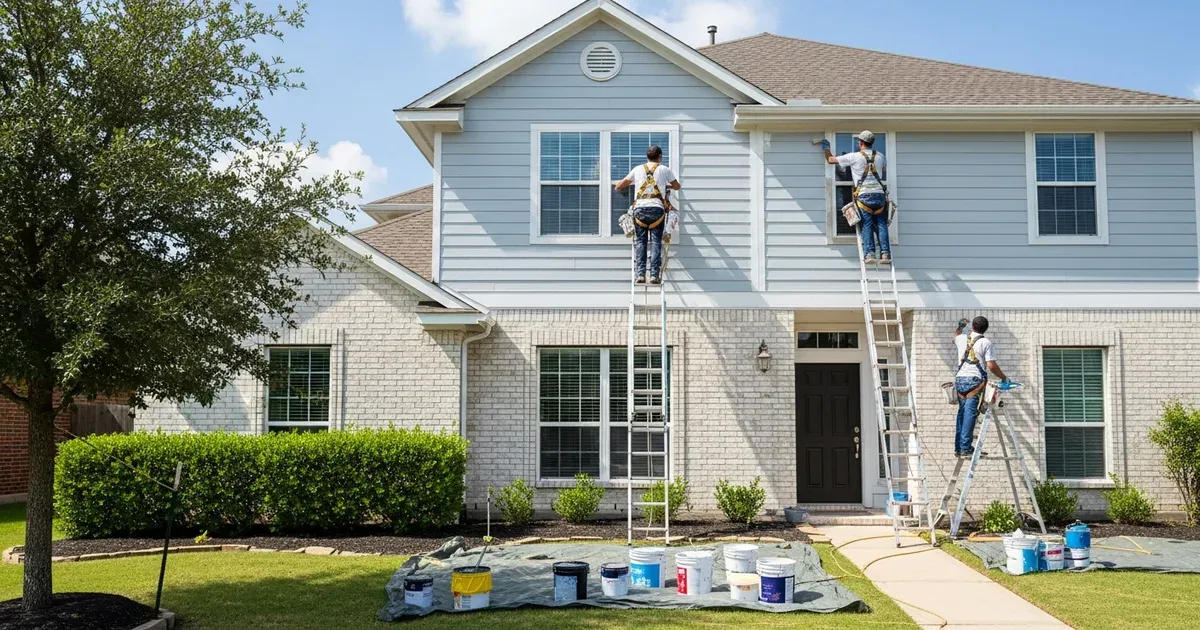
Timing matters more for exterior painting in Denton than in most parts of the country. The intense summer heat, unpredictable spring storms, and brief windows of ideal conditions mean scheduling at the right time is the difference between a paint job that lasts 8 years and one that starts peeling in 2.
The Two Best Windows for Exterior Painting
Window 1: October through mid-November (best)
This is the sweet spot for Denton exterior painting. Here’s why:
- Daytime highs in the 60s–80s — ideal for paint application and curing
- Humidity drops significantly after summer
- Rain is relatively infrequent
- No pollen to stick to wet paint
- Consistent conditions day to day
Window 2: Late March through mid-May (good)
Spring works well but comes with caveats:
- Temperatures are usually in the paint-friendly range (50–85 degrees)
- Spring storms can interrupt the schedule — Denton averages 4–5 inches of rain in April and May
- Pollen is heavy in March and April (oak, then grass), which can embed in wet paint if timing is off
- Wind speeds are highest in spring, which makes spray application difficult and increases overspray risk
Why Summer Painting Is Problematic in Denton
It’s tempting to schedule painting during Denton’s long summer, but the heat creates real problems:
| Issue | What Happens | Result |
|---|---|---|
| Surface temperature too high | Siding in direct sun hits 140–160 degrees | Paint blisters and peels within months |
| Paint dries too fast | Doesn’t have time to level and bond | Visible brush/roller marks, poor adhesion |
| Crew limitations | Too hot to work after 10 AM safely | Job takes 2–3x longer, costs more |
| UV exposure | Intense sun degrades wet paint | Fading starts almost immediately |
If you absolutely must paint in summer, the work needs to happen between 6 AM and 10 AM, following the shade around the house. Most painters charge a premium for summer work because of the reduced productivity.
Winter Considerations
Denton winters are mild compared to most of the country, but they’re not ideal for painting:
- Paint needs minimum 35–50 degree temperatures to cure properly (varies by product)
- Denton sees a few hard freezes each winter that can interrupt multi-day jobs
- Morning dew and frost on surfaces mean later start times
- Shorter days reduce productive hours
That said, a mild Denton winter week in the 50s–60s can work fine for exterior painting if the crew is experienced with cold-weather application.
How North Texas Weather Affects Paint Longevity
Even with perfect application timing, Denton’s climate is hard on exterior paint:
- UV intensity — North Texas gets 230+ sunny days per year. South- and west-facing walls take the worst UV damage and may need repainting 2–3 years sooner than north-facing walls
- Temperature cycling — Denton sees 100+ degree summers and occasional single-digit winters. This expansion and contraction stresses paint films
- Clay soil movement — Denton County’s expansive clay causes subtle foundation shifts that can crack rigid paint. Elastomeric paint handles this better on masonry surfaces
- Hail — Denton is in the heart of North Texas hail country. Severe hail can damage paint on all surfaces
Exterior Painting Costs in Denton
| Service | Typical Cost |
|---|---|
| Full exterior (1-story, ~1,500 sq ft) | $2,800 – $5,000 |
| Full exterior (2-story, ~2,500 sq ft) | $4,500 – $8,500 |
| Trim and fascia only | $1,000 – $2,500 |
| Front door and shutters | $200 – $500 |
| Deck or fence staining | $2 – $5 per sq ft |
| Power washing (pre-paint prep) | $200 – $400 |
Prices reflect Denton-area rates as of early 2026. Includes labor, materials, and standard prep. Extensive scraping, wood repair, or lead paint abatement adds to cost.
Prep Work Makes or Breaks the Job
In Denton’s climate, surface preparation is at least half the job:
- Power washing — Removes dirt, mildew, and chalking paint. Must dry 24–48 hours before painting
- Scraping and sanding — All loose or peeling paint must come off. This is where cheap painters cut corners
- Caulking — Seal all gaps around windows, doors, and trim. Denton’s temperature swings open up caulk joints over time
- Priming — Bare wood and repaired areas need primer. Skipping primer in Texas heat guarantees adhesion failure
- Wood repair — Replace rotted trim and fascia boards before painting over them. Denton’s humidity accelerates wood rot, especially on north-facing walls that stay damp longer
Ready to Get Your House Painted?
Denton Home Services connects you with experienced, insured painters who know how to work with North Texas conditions. Free estimates, no pressure.
Get Matched with a Painter →Bottom Line
Schedule your Denton exterior paint job for October or November if you can. Late spring is your backup window. Avoid summer unless you’re prepared for higher costs and potential quality compromises. And regardless of timing, make sure your painter spends adequate time on surface prep — it’s the single biggest factor in how long your paint job lasts.
Frequently Asked Questions
What is the best month to paint a house exterior in Denton?
October and November are the ideal months for exterior painting in Denton. Temperatures are consistently in the 50–80 degree range, humidity drops, and there's minimal rain. Late March through mid-May is the second-best window.
Can you paint a house exterior in summer in Texas?
It's possible but not ideal. Denton summers regularly exceed 100 degrees, which causes paint to dry too fast, leading to brush marks, poor adhesion, and blistering. If you must paint in summer, work is typically limited to early morning hours before 10 AM.
How much does exterior painting cost in Denton, TX?
A full exterior repaint for a typical 2,000 sq ft Denton home costs $3,500–$7,000 depending on the number of stories, prep work needed, and paint quality. Trim-only painting runs $1,000–$2,500.
Is it worth DIY exterior painting in Denton, TX, given the weather?
DIY exterior painting in Denton can be challenging due to the rapid temperature shifts and intense sun. Professional painters are equipped to handle the quick drying times and specific application windows required to achieve a durable finish that resists North Texas's harsh climate. Attempting it yourself often leads to premature peeling or fading, especially on south and west-facing walls exposed to direct afternoon sun.
How often should I repaint my house exterior in Denton County due to North Texas weather?
Due to Denton County's intense UV exposure and significant temperature cycling, most homes benefit from repainting every 7-10 years. South- and west-facing walls, particularly in neighborhoods like Providence Village or Robson Ranch, often show wear sooner and might need touch-ups or repainting every 5-7 years to maintain protection and curb appeal.
What type of exterior paint is best for extreme heat and UV in Denton, Texas?
For Denton's extreme heat and high UV, 100% acrylic latex paints are highly recommended as they offer superior flexibility, color retention, and resistance to cracking and fading. Look for premium brands designed for harsh climates, often featuring advanced UV protection and mildew resistance, which is beneficial given North Texas humidity. These high-quality paints provide a durable finish that can withstand temperatures well over 100 degrees without premature failure.
Do I need a permit for exterior house painting in Denton, TX?
Generally, the City of Denton does not require a permit for standard exterior house painting unless it's part of a larger renovation project that involves structural changes or significant repairs. However, if your home is in a historic district, like the areas around Texas Woman's University or the Downtown Denton Square, you might need approval from the Historic Landmark Commission for color changes. Always check with the City of Denton's Development Services Department if you're unsure about your specific project.
Can you paint a house exterior in winter in Denton, Texas?
While not ideal, exterior painting can be done during milder Denton winter weeks if temperatures consistently stay above 40-50 degrees Fahrenheit, even overnight, for several days. Professional painters use cold-weather specific paints and adjust their schedules to avoid morning frost and dew, typically starting later in the day when surfaces are dry. However, shorter daylight hours and the risk of unexpected freezes make winter less efficient and potentially more costly than the prime fall or spring windows.
Denton Home Services connects you with licensed, vetted contractors — fast and free.
Get a Free Estimate →