How Much Does EV Charger Installation Cost in Denton?
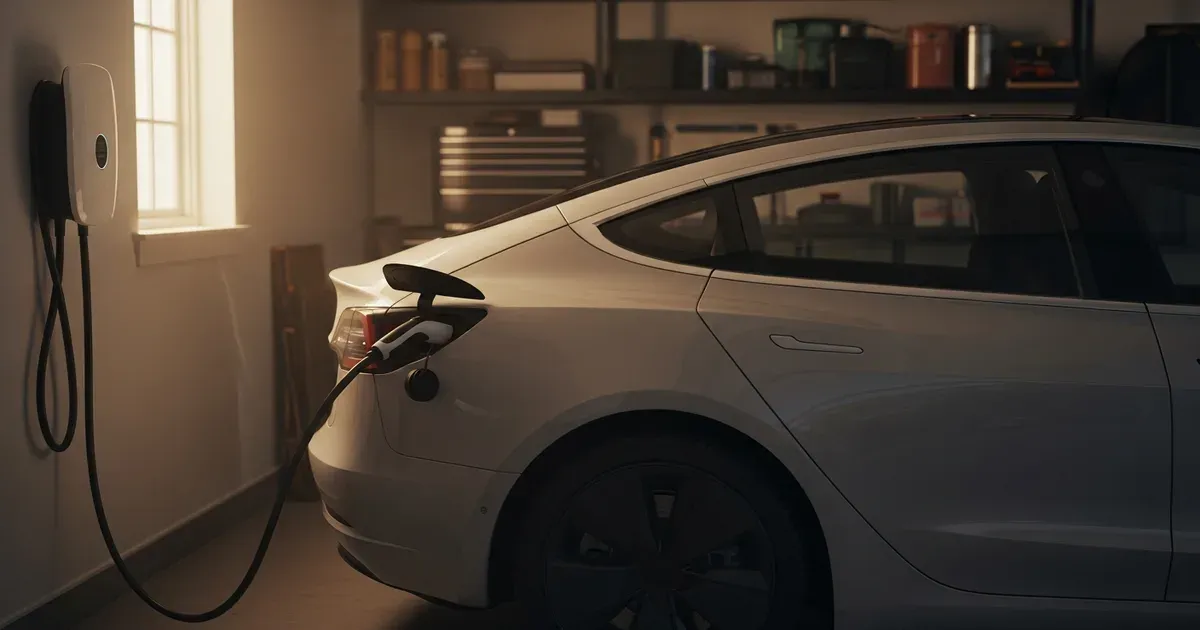
Electric vehicles (EVs) are becoming a common sight on Denton roads, from the bustling streets around the University of North Texas to the quiet, tree-lined neighborhoods of Southridge and the newer developments in Robson Ranch. As more Denton County homeowners make the switch to electric, one of the first questions that comes up is: “How do I charge this thing at home?” While Level 1 charging (using a standard wall outlet) works, it’s very slow. For most EV owners, a dedicated Level 2 charger is the way to go for convenient, faster charging right in your garage or driveway. But what does it cost to get one installed here in Denton?
Navigating the world of EV charger installation can feel a bit overwhelming, especially with varying electrical needs, local codes, and the unique characteristics of Denton homes. This guide will break down the costs involved, explain the factors that influence the price, and give you a clear picture of what to expect when planning your EV charger installation in Denton, TX.
Understanding EV Charger Types for Your Denton Home
Before we dive into costs, it’s helpful to know the main types of EV chargers suitable for home use.
Level 1 Chargers: The Basic Option Level 1 chargers use a standard 120-volt (120V) household outlet, just like plugging in a lamp. Most EVs come with a Level 1 charging cord.
- Charging Speed: Very slow, typically adding only 2-5 miles of range per hour. This means it can take 24 hours or more to fully charge a typical EV battery.
- Installation Cost: Usually $0, as you simply plug it into an existing outlet.
- Best For: Drivers with short commutes, plug-in hybrids, or those who rarely drive and have ample time for charging. It’s a convenient backup but not ideal for daily use for most EV owners in Denton.
Level 2 Chargers: The Home Charging Standard Level 2 chargers use a 240-volt (240V) power source, similar to what your electric dryer or oven uses. This is the most popular choice for home EV charging.
- Charging Speed: Much faster than Level 1, typically adding 20-60 miles of range per hour. This allows most EVs to fully charge overnight (4-10 hours).
- Installation Cost: This is where professional electrical work comes in, ranging from $500 to $6,000+ depending on various factors.
- Best For: The vast majority of EV owners in Denton who want fast, convenient charging at home.
Level 3 (DC Fast Chargers): Not for Residential Use Level 3 chargers, also known as DC fast chargers, are incredibly powerful and provide the fastest charging speeds available.
- Charging Speed: Can add hundreds of miles of range in under an hour.
- Installation Cost: Extremely high, requiring commercial-grade electrical infrastructure.
- Best For: Public charging stations along highways or at commercial locations like Rayzor Ranch, not typically for residential homes.
For the rest of this guide, we’ll focus on the costs associated with installing a Level 2 EV charger, as this is the primary choice for Denton homeowners.
Key Factors Influencing EV Charger Installation Costs in Denton
The total cost to install a Level 2 EV charger can vary significantly depending on several elements specific to your home and location within Denton County.
1. The EV Charger Unit Itself The actual charging unit (sometimes called an EVSE – Electric Vehicle Supply Equipment) is a major part of the cost.
- Price Range: These units typically cost anywhere from $300 to $800, though some premium models can exceed $1,000.
- Features: Factors like charging speed (amps), smart features (Wi-Fi connectivity, app control, scheduling), cable length, and brand reputation influence the price.
2. Your Home’s Electrical Panel Capacity This is often the biggest cost driver. A Level 2 charger requires a dedicated 240V circuit, usually needing a 40-amp or 50-amp breaker.
- Sufficient Capacity: If your existing electrical panel has enough spare capacity and an available breaker slot, the installation will be simpler and less expensive. Newer homes, like those in Robson Ranch or the newer parts of Argyle, might have more modern panels with extra capacity.
- Panel Upgrade Needed: Many older homes in Denton, especially those built before the 1990s, might have 100-amp service panels that are already maxed out. To safely add an EV charger, you might need a panel upgrade (replacing the entire electrical panel with a higher-capacity one, e.g., 200-amp). This is a significant electrical project, typically costing $2,000 to $4,500+ in Denton.
- Subpanel Installation: Sometimes, if a full panel upgrade isn’t necessary or feasible, an electrician might install a subpanel closer to the garage. This adds a smaller, dedicated panel for the EV charger and other future needs. A subpanel installation can range from $1,000 to $2,500.
- Oncor Considerations: Denton is primarily served by Oncor for electricity delivery. While Oncor handles the main power lines, your home’s internal panel is your responsibility. An electrician will ensure your panel can safely handle the new load.
3. Distance from the Electrical Panel to the Charger The further your desired charging location is from your main electrical panel, the more expensive the installation will be.
- Wiring Length: Longer distances require more wiring, conduit, and labor.
- Conduit Type: Wiring needs to be protected by conduit, especially outdoors. Different types of conduit (EMT, PVC, rigid metal) have different costs and labor requirements.
- Routing Complexity: Running wire through walls, attics, or basements is more complex than a direct run in an exposed garage, adding to labor costs.
4. Outdoor vs. Indoor Installation Where you want your charger installed matters, especially given Denton’s climate.
- Indoor (Garage): Generally less expensive as wiring is protected, and weatherproofing isn’t as critical for the unit itself.
- Outdoor (Driveway/Carport): Requires weather-rated conduit and a weatherproof charger unit. If the wiring needs to be trenched underground, this adds significant cost due to labor for excavation and materials. Denton’s clay soil can make trenching more challenging and time-consuming. Considerations for our 100+ degree summers and occasional hail storms mean outdoor units must be robust.
5. Permits and Inspections In Denton, any significant electrical work, including EV charger installation, requires a permit from the City of Denton Development Services.
- Cost: Permit fees typically range from $75 to $250 and are usually included in your electrician’s quote.
- Importance: Permits ensure the work is done safely and to code, protecting your home, ensuring proper insurance coverage, and preventing issues when selling your home. A city inspector will review the work.
6. Labor Costs Electrician rates in Denton County vary based on experience, reputation, and the complexity of the job.
- Hourly Rates: Typically range from $75 to $150 per hour for licensed electricians.
- Total Labor: For a standard installation (no panel upgrade), labor might take 4-8 hours. More complex jobs could take days.
Estimated Cost Ranges for Level 2 EV Charger Installation in Denton
Let’s break down typical cost scenarios you might encounter in Denton:
Scenario 1: Basic Installation (Ideal Conditions)
- Description: You have a modern electrical panel with sufficient capacity, a vacant 240V breaker slot, and the panel is located close to where you want the charger (e.g., adjacent garage wall).
- Likely Cost: $500 - $1,200
- Charger Unit: $300 - $700
- Electrical Wiring & Labor: $200 - $500
- Permit: Included in labor/project fee
Scenario 2: Moderate Installation (Common)
- Description: Your panel has capacity, but it’s a longer run (e.g., across the garage, through a wall), or requires some minor panel adjustments (e.g., tandem breaker).
- Likely Cost: $1,200 - $2,500
- Charger Unit: $300 - $700
- Electrical Wiring & Labor: $900 - $1,800
- Permit: Included
Scenario 3: Complex Installation (Panel Upgrade/Subpanel Needed)
- Description: Your existing electrical panel lacks the capacity, is outdated, or is too far away, requiring a full panel upgrade or the installation of a subpanel. This is common in older homes in neighborhoods like the historic districts or even some homes built in the 70s and 80s.
- Likely Cost: $2,500 - $6,000+
- Charger Unit: $300 - $700
- Electrical Wiring & Labor: $500 - $1,500 (for charger circuit)
- Panel Upgrade/Subpanel: $1,700 - $3,800+
- Permit: Included (often separate permit for panel upgrade)
Here’s a table summarizing the estimated costs for Level 2 EV charger installation in Denton:
| Installation Type | Description | Estimated Cost Range (Denton, TX) | Key Factors
Frequently Asked Questions
What factors typically increase the cost of EV charger installation for homes in Denton?
The primary factors are the distance from your electrical panel to the charging location, the need for an electrical panel upgrade if your current one lacks capacity, and whether trenching is required for outdoor installations. Older homes in areas like the Historic District or Southridge might more commonly require panel upgrades.
How long does it typically take to install a Level 2 EV charger at a Denton home?
Most standard Level 2 EV charger installations in Denton can be completed in 4-8 hours by a professional electrician, assuming the electrical panel has sufficient capacity. If an electrical panel upgrade or extensive trenching is needed, the project could extend to a full day or two, plus permit approval time.
Can I install an EV charger myself in Denton, TX, or do I need a licensed electrician?
For safety and compliance with Denton's electrical codes, it is strongly recommended to use a licensed electrician for Level 2 EV charger installation. Improper installation can lead to electrical hazards, fire risks, and may void your home insurance or EV warranty. A professional ensures the work meets all local regulations and passes required inspections.
What permits are required for EV charger installation in Denton County?
Yes, a permit from the City of Denton Building Inspections Department is typically required for Level 2 EV charger installations to ensure safety and compliance with the National Electrical Code. Your electrician will handle the permit application process and schedule the necessary inspections after installation.
Are there any government incentives or rebates for EV charger installation in North Texas?
Denton homeowners may be eligible for federal tax credits, such as the 30% credit for alternative fuel vehicle refueling property, up to $1,000, when installing a qualified EV charger. Check with your electric utility, like Denton Municipal Electric (DME), for any potential local rebate programs, though these vary and are not always available.
What if my older Denton home needs an electrical panel upgrade for an EV charger?
If your older Denton home, particularly in areas with original electrical systems, requires an electrical panel upgrade, this will add significantly to the overall cost, typically ranging from $1,500 to $4,000+. This upgrade ensures your home can safely handle the increased electrical load from the EV charger and other appliances.
Where is the best place to install an EV charger at a Denton home, considering Texas weather?
The best place is usually inside a garage to protect the unit and cable from direct sun, extreme heat, and occasional severe North Texas weather. If outdoor installation is necessary, ensure the charger is rated for outdoor use (NEMA 3R or 4X), installed under an awning or overhang, and properly sealed against moisture.
What amperage Level 2 EV charger is recommended for most Denton homeowners?
Most Denton homeowners should consider a 40-amp or 48-amp Level 2 EV charger, which typically requires a 50-amp or 60-amp circuit respectively. This provides ample charging speed for most EVs overnight and future-proofs your setup as EV battery sizes increase.
Denton Home Services connects you with licensed, vetted contractors — fast and free.
Get a Free Estimate →