Emergency Tree Removal After a Storm: What Denton Homeowners Should Know
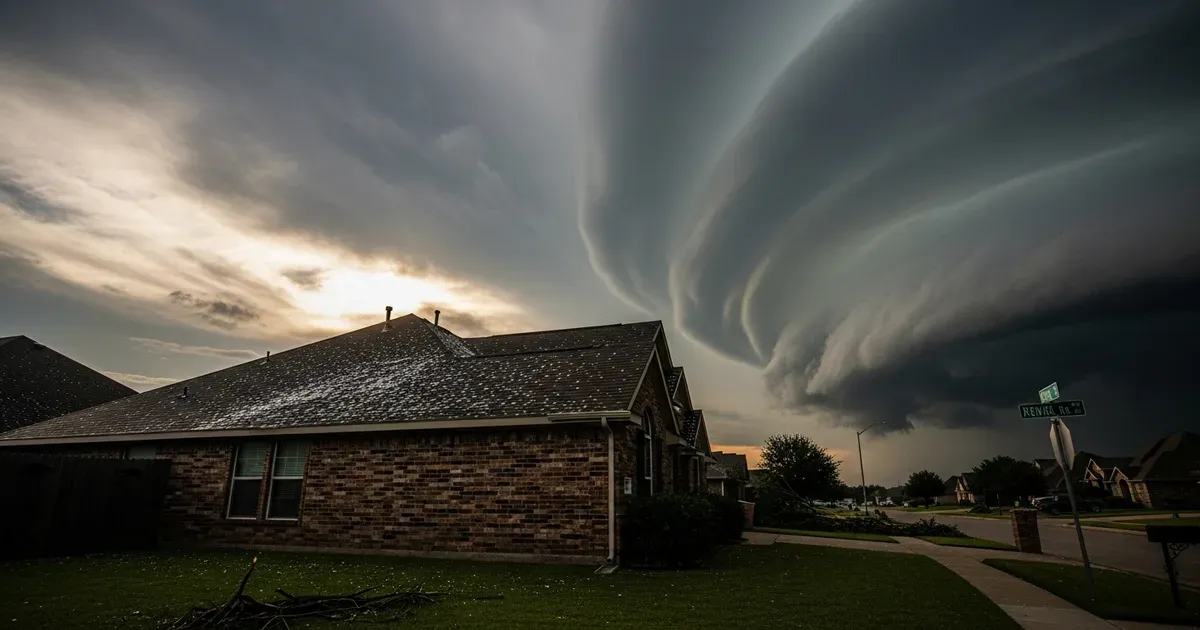
When a severe storm rolls through Denton, it can leave behind more than just puddles and scattered leaves. High winds, heavy rain, and even hail can turn beautiful trees into dangerous hazards, threatening homes, vehicles, and power lines. For Denton homeowners, knowing what to do when a tree falls or is severely damaged is crucial for safety and minimizing further damage.
This guide will walk you through the essential steps for handling emergency tree removal after a storm, specific to our Denton County environment. We’ll cover everything from assessing the damage and understanding costs to dealing with insurance and finding reliable local help.
Understanding Denton’s Storms and Trees
Denton County is no stranger to wild weather. Our summers bring intense heat, often followed by sudden, violent thunderstorms with high winds. Spring and fall can deliver strong cold fronts, sometimes accompanied by hail. These storms put a lot of stress on our local trees.
Many homes in Denton, especially in older neighborhoods like Oakmont or even established areas of Robson Ranch, are graced with mature Live Oaks, Post Oaks, and Cedar Elms. While beautiful, these large trees can become vulnerable during extreme weather. High winds can snap branches, uproot entire trees, or cause them to lean precariously. Our expansive clay soil, common across Denton, can also play a role. After heavy rains, the soil becomes saturated, making it less stable and increasing the risk of shallow-rooted trees toppling over.
When is it an Emergency?
Not every fallen branch requires emergency service. It’s important to recognize when a tree situation truly qualifies as an emergency, requiring immediate attention.
Here are key indicators of an emergency tree situation:
- Tree has fallen on your home or another structure: This is the most critical scenario, posing an immediate threat to safety and property.
- Tree is leaning precariously: If a tree is severely tilted and appears unstable, especially if it’s leaning towards your home, power lines, or a public area, it’s an emergency.
- Tree is blocking a public road or driveway: This creates a hazard for traffic and access.
- Tree has fallen on power lines: This is extremely dangerous and requires immediate action from utility companies and emergency services.
- Large, broken branches are hanging over structures or high-traffic areas: These “widowmakers” could fall at any moment.
If the damage is limited to small branches in your yard that don’t pose an immediate threat, it’s likely not an emergency. You can usually address these during regular business hours, which can also be more cost-effective.
First Steps After the Storm
When you find yourself facing a storm-damaged tree, your first priority is always safety. Don’t rush into the situation.
-
Prioritize Safety:
- Stay away from fallen trees, especially if they are near power lines. Assume any downed line is live.
- Keep children and pets away from the affected area.
- If a tree has fallen on your home, carefully check for structural damage, gas leaks, or exposed electrical wires before entering.
- If you smell gas, evacuate immediately and call 911.
-
Contact Authorities and Utilities:
- If power lines are involved, call Oncor immediately at 1-888-313-4747 (or 911 if it’s an immediate fire or safety hazard). Never attempt to move wires or branches near them yourself.
- If a tree is blocking a public road, contact the Denton Police Department non-emergency line or Denton Public Works.
- If a tree has fallen on your home and you suspect structural damage or have concerns about gas or electricity, call 911.
-
Document the Damage:
- Once it’s safe to do so, take clear photos and videos of all damage. Document the tree itself, the damage it caused to your home or property, and any surrounding areas. This documentation is vital for your insurance claim.
- Note the date and time of the storm and when you discovered the damage.
-
Prevent Further Damage (if safe):
- If a tree has punctured your roof, and it’s safe to do so, you might temporarily cover the hole with a tarp to prevent water intrusion. Be extremely cautious on a damaged roof. For significant roof damage, you’ll need professional help. Denton Home Services can connect you with experienced roofing contractors who can assess and repair storm damage.
- If the fallen tree has damaged plumbing lines or other utilities, turn off the main water supply or relevant utility to your home if safe. For serious plumbing issues, you’ll need a professional. Find reliable plumbers through Denton Home Services.
Navigating Insurance Claims
Dealing with insurance can be daunting, especially after a stressful event. Most standard homeowners insurance policies in Denton County will cover damage caused by fallen trees due to wind, lightning, or hail.
Here’s what you generally need to know:
- Coverage: Your policy typically covers the cost of removing the tree if it falls on a covered structure (like your house, garage, or fence) or blocks your driveway. It also covers the repair costs for the damaged structure.
- Neighbor’s Tree: If your neighbor’s tree falls on your property, your insurance policy usually covers the damage. Your insurance company may then seek reimbursement from your neighbor’s insurance.
- Deductible: You will be responsible for your deductible, which is the amount you pay out-of-pocket before your insurance coverage kicks in.
- Documentation is Key: Remember those photos and videos? They are crucial for your claim. Provide as much detail as possible to your insurance adjuster. Keep records of all communication with your insurance company.
- Emergency Services First: Don’t wait for the adjuster to arrive if it’s an emergency. Your safety and preventing further damage are paramount. Most policies allow for reasonable emergency mitigation costs. Keep all receipts from emergency tree removal services.
Contact your insurance agent as soon as possible after ensuring safety and documenting the damage. They can guide you through the specific requirements of your policy.
The Cost of Emergency Tree Removal in Denton
Emergency tree removal is almost always more expensive than scheduled removal due to the urgency, hazardous conditions, and often after-hours work. Prices can vary significantly based on several factors:
- Tree Size: Larger trees (especially those over 60 feet tall) require more equipment, time, and crew members.
- Location and Accessibility: A tree in an open yard is easier to remove than one precariously perched on a roof or nestled between structures in a tight backyard like some in the older parts of Denton.
- Hazard Level: Trees near power lines, structures, or those that are highly unstable command higher prices.
- Equipment Needed: Crane usage, common for very large or difficult removals, adds significantly to the cost.
- Time of Day/Week: After-hours, weekend, or holiday calls typically incur premium rates.
- Debris Removal: Most quotes include hauling away debris, but confirm this. Stump grinding is usually an additional service.
In Denton, you can expect the following general cost ranges for emergency tree removal:
| Tree Size & Scenario | Typical Emergency Cost Range (Denton, TX) |
|---|---|
| Small Tree (under 30 ft) | $500 - $1,200 |
| Medium Tree (30-60 ft) | $900 - $2,500 |
| Large Tree (60 ft+) | $1,500 - $4,000+ |
| Hazardous/Complex (e.g., on house, near lines) | $2,500 - $6,000+ |
| Crane Usage (if required) | Adds $500 - $2,000+ |
| Stump Grinding (add-on) | $100 - $400 |
These are estimates, and getting a detailed quote from a reputable, local company is always recommended. Be wary of anyone demanding full payment upfront or pressuring you into immediate decisions without a clear estimate.
Finding the Right Emergency Tree Removal Service
In the chaos after a storm, many “storm chasers” or unqualified individuals may appear, offering quick and cheap services. While tempting, hiring the wrong company can lead to further damage, uninsured liabilities, and shoddy work.
Here’s what to look for when choosing an emergency tree removal service in Denton:
- Licensing and Insurance: This is non-negotiable. Ensure the company is licensed and, most importantly, carries adequate liability insurance and worker’s compensation. If they don’t, you could be held liable for any accidents or damages.
- Local Reputation: Choose a company with a proven track record in Denton and surrounding areas like Corinth, Argyle, or Flower Mound. Check online reviews and ask for local references.
- Experience with Emergency Work: Emergency tree removal requires specialized skills and equipment. Ask about their experience with hazardous removals and storm damage.
- Clear Estimates: Get a written, detailed estimate that outlines all services, costs, and terms. Avoid companies that only provide verbal quotes.
- Availability: In an emergency, you need a company that can respond quickly. Inquire about their typical response times for urgent situations.
Need Emergency Tree Removal in Denton?
Denton Home Services connects you with licensed, insured contractors — free estimates, no trip fees, no pressure.
Get a Free Emergency Tree Removal Estimate →Denton-Specific Considerations
Our unique Denton environment adds a few specific points to consider during emergency tree removal.
- Oncor and Power Lines: As mentioned, Oncor is our primary electric utility provider. Always assume downed lines are live and contact Oncor directly. Tree removal companies will coordinate with Oncor if their work impacts power lines.
- City of Denton Tree Ordinances: While emergency removal for safety reasons usually bypasses standard permitting, it’s good to be aware. For non-emergency tree removal, especially for large trees or those on public property, the City of Denton has ordinances. Always confirm with the city if you’re unsure, though licensed arborists typically handle this.
- Clay Soil Challenges: The expansive clay soil in Denton can make tree removal more complex. Heavy rains can make the ground soft and muddy, potentially making it harder for heavy equipment to access the site without causing further damage to your yard. A good contractor will have strategies to mitigate this.
- Neighborhood Variation: Whether you live in an older, tree-lined street in Southridge, a newer development near Rayzor Ranch, or a rural property in the county, the specific challenges can differ. Older neighborhoods might have larger, more established trees with extensive root systems, while newer areas might have younger trees that are less resilient to storms.
Prevention and Preparedness
While you can’t stop storms, you can take steps to make your trees more resilient and be better prepared for emergencies.
- Regular Tree Maintenance: Proactive pruning by a certified arborist can remove dead or weak branches before they become hazards during a storm. This is especially important for mature trees common in Denton. Consider scheduling regular tree trimming services.
- Assess Tree Health: Have an arborist inspect your trees periodically for signs of disease, decay, or structural weaknesses. Addressing these issues early can prevent major problems later.
- Know Your Trees: Understand the types of trees on your property and their specific needs and vulnerabilities. For example, some trees are more prone to splitting in high winds.
- Emergency Contact List: Keep a list of emergency contacts handy, including your insurance agent, Oncor, and a trusted local tree removal service.
- Prepare an Emergency Kit: Include essentials like flashlights, batteries, and a battery-powered radio, just in case a storm knocks out power.
Taking these preventative measures can significantly reduce the risk of storm-related tree damage and help you recover more smoothly if an emergency occurs. You can also consult with local landscaping professionals for advice on tree care and overall yard health.
Bottom Line
Emergency tree removal after a storm in
Frequently Asked Questions
How much does emergency tree removal cost in Denton, Texas?
Emergency tree removal in Denton can range from $1,500 to $5,000 or more, depending on the tree's size, location (e.g., on a roof vs. open yard), and accessibility. Complex jobs involving power lines or large oaks in tight spaces like those in the historic downtown area will be at the higher end due to specialized equipment and increased risk. Get a rapid quote for accurate pricing.
What is the typical response time for emergency tree services in Denton County after a major storm?
After a widespread storm in Denton County, response times for emergency tree services can vary, but reputable companies prioritize immediate threats, often arriving within 2-24 hours for critical situations. Non-emergency calls might see a 24-72 hour wait as crews address the most hazardous situations first. We strive for the fastest possible response to minimize further damage for Denton residents.
Does homeowners insurance cover storm-damaged tree removal in North Texas?
Most homeowners insurance policies in North Texas cover tree removal if the tree damages a covered structure, like your home, garage, or fence, or blocks your driveway. Policies typically cover a portion of the cleanup cost, often up to $500-$1,000 per tree, even if it falls without hitting a structure, but always review your specific policy details. Make sure to document damage with photos for your claim.
What can Denton homeowners do to prevent tree damage before a severe storm?
Denton homeowners should regularly prune dead or weak branches, especially from mature Live Oaks and Cedar Elms, to reduce wind resistance and potential "widowmakers." Consider having an arborist assess the health and stability of large trees, particularly those on saturated clay soil common in areas like Southridge or Guyer, before tornado season or major thunderstorm events. Proper tree care significantly reduces storm vulnerability.
Do I need a permit for emergency tree removal in Denton, TX?
In Denton, TX, you generally do not need a permit for emergency tree removal if the tree poses an immediate threat to life or property, such as after a storm has clearly damaged it. However, if the tree is a protected species or over a certain diameter and not an immediate emergency, a permit from the City of Denton’s Planning Department might be required. Always consult with a professional service who understands local ordinances.
What if my neighbor's storm-damaged tree falls on my property in Denton?
If your neighbor's storm-damaged tree falls on your property in Denton due to natural events like high winds, your own homeowner's insurance typically covers the damage and removal costs. Your neighbor is generally not liable unless their tree was clearly diseased or neglected, and they failed to address a known hazard prior to the storm. Document everything and contact your insurance provider promptly.
How do I find a reputable emergency tree removal service in Denton after a storm?
Look for emergency tree removal services in Denton that are fully insured, licensed, and have local references or strong online reviews. Verify they have experience with large tree removal and offer 24/7 emergency response, as fly-by-night companies often appear after major Texas storms. Always get a written estimate and confirm their insurance before any work begins.
What happens to the tree debris after emergency removal in Denton?
After emergency tree removal in Denton, reputable services will typically haul away all debris, including large logs and smaller branches, as part of their service. Some companies may offer to cut larger sections into firewood for you, but generally, the site will be cleared of all tree-related storm debris. Denton County landfills and recycling centers have specific regulations for green waste disposal.
Denton Home Services connects you with licensed, vetted contractors — fast and free.
Get a Free Estimate →