Best Drought-Resistant Landscaping for Denton County
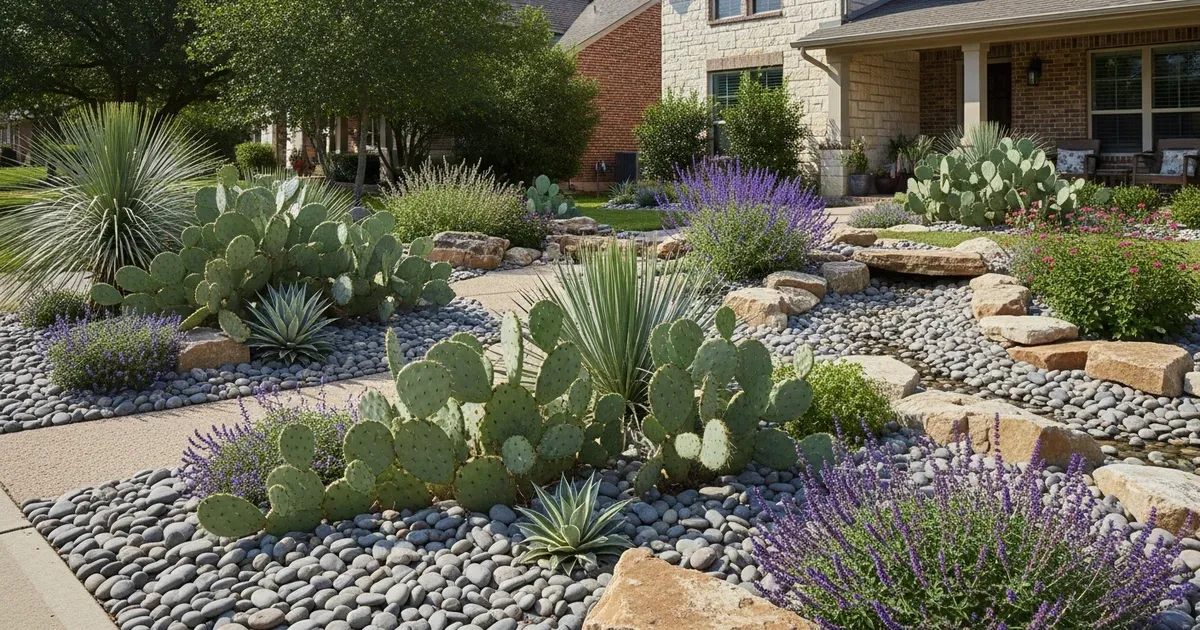
Denton County homeowners know the struggle: our summers are brutal, often hitting 100 degrees or more for weeks on end. This heat, combined with periods of drought, makes keeping a lush, green yard a real challenge. Not only does it take a lot of water and effort, but it also drives up your utility bills. That’s why more and more folks in Denton, from Robson Ranch to Rayzor Ranch, are turning to drought-resistant landscaping. It’s a smart way to create a beautiful outdoor space that thrives in our unique climate, saves you money, and conserves precious water.
Why Go Drought-Resistant in Denton?
Choosing drought-resistant landscaping, also known as xeriscaping, offers a ton of benefits for your Denton home. It’s not just about saving water; it’s about creating a more resilient and enjoyable outdoor living space.
First and foremost, you’ll see significant savings on your water bill. Traditional lawns can guzzle hundreds of gallons of water each week during our dry spells. By swapping out thirsty plants for those that naturally need less water, you can cut your outdoor water usage by 30-50% or even more. That’s real money staying in your pocket!
Beyond the savings, a water-wise landscape requires less maintenance. Imagine spending less time mowing, fertilizing, and worrying about your plants wilting in the scorching sun. Drought-tolerant plants are often hardier and more resistant to pests and diseases, meaning less fuss for you. This is especially appealing for busy families or retirees in areas like Robson Ranch who prefer to spend their time enjoying their yard, not working on it.
Finally, you’ll be doing your part for the environment. Water conservation is crucial, especially in a rapidly growing area like Denton County. By reducing your water footprint, you help ensure a sustainable water supply for our community. Plus, many drought-resistant plants are native to Texas, providing vital habitats for local wildlife like birds and butterflies.
Understanding Denton’s Climate and Soil
To create a successful drought-resistant landscape, it’s key to understand what we’re up against here in Denton. Our local environment presents specific challenges and opportunities.
Our hot, dry summers are the biggest factor. With temperatures frequently soaring above 100 degrees Fahrenheit and long stretches without rain, plants need to be tough to survive. This means choosing species that can handle intense heat and prolonged dry periods without constant irrigation.
Another major consideration is our clay soil. Denton County is known for its heavy, expansive clay. While clay soil can hold nutrients well, it often struggles with drainage. This means water can sit on top or become waterlogged, which can be detrimental to many plants. However, some drought-tolerant plants actually prefer or can tolerate clay, especially when amended properly.
We also experience occasional hail storms and sudden, heavy downpours. While hail can damage any plant, choosing robust, native plants can help them recover more quickly. Good landscape design can also help manage heavy rainfall, directing water where it’s needed and preventing erosion.
Finally, it’s important to be aware of local watering restrictions. The City of Denton, like many municipalities, often implements watering schedules or restrictions during dry periods. Your drought-resistant landscape will be much more resilient to these rules, requiring less supplemental watering and giving you peace of mind.
Key Principles of Drought-Resistant Landscaping (Xeriscaping)
Xeriscaping isn’t just about picking dry plants; it’s a comprehensive approach to landscaping that focuses on water efficiency. Here are the core principles to keep in mind for your Denton home:
- Planning and Design: Start with a good plan. Map out your yard, considering sun exposure, slopes, and existing features. Group plants with similar water needs together – this is called hydrozoning. Think about how you use your yard and design for functionality and beauty.
- Soil Improvement: Our clay soil benefits greatly from amendments. Adding 2-4 inches of organic compost helps improve drainage, aeration, and water retention, making it easier for plant roots to thrive. This initial investment in soil health pays off big time.
- Efficient Irrigation: While the goal is less water, new plants still need some help getting established. Drip irrigation systems and soaker hoses deliver water directly to the plant roots, minimizing evaporation and waste. Smart irrigation controllers can even adjust watering based on local weather, saving you even more.
- Plant Selection: This is where you choose plants that are naturally adapted to our climate. Focus on native Texas plants and other well-adapted species that thrive in heat and drought. We’ll dive into specific recommendations soon!
- Mulching: A 2-4 inch layer of organic mulch (like shredded bark, compost, or cedar mulch) is a xeriscape hero. It insulates the soil, reduces water evaporation, suppresses weeds, and keeps soil temperatures more consistent.
- Reduced Lawn Area: Consider shrinking the size of your traditional lawn, especially in areas that don’t get much foot traffic. Replace turf with groundcovers, garden beds, or hardscaping.
- Maintenance: Even drought-resistant landscapes need some care. Proper watering during establishment, occasional weeding, and light pruning will keep your yard looking its best.
Top Drought-Tolerant Plants for Denton County
When selecting plants for your Denton landscape, think “Texas tough.” These plants are not only beautiful but also incredibly resilient to our climate.
Native Plants
Native Texas plants are always an excellent choice because they are already perfectly adapted to our soil and weather conditions. They often require less water, fertilizer, and pest control.
- Trees:
- Live Oak (Quercus virginiana): A classic Texas tree, providing dense shade and incredible longevity.
- Cedar Elm (Ulmus crassifolia): Fast-growing, adaptable, and a great shade tree.
- Redbud (Cercis canadensis var. texensis): Smaller, ornamental tree with beautiful spring blooms.
- Desert Willow (Chilopsis linearis): Beautiful, drought-tolerant tree with trumpet-shaped flowers.
- Shrubs:
- Cenizo (Leucophyllum frutescens): Also known as Texas Sage, known for its silver foliage and purple blooms after rain.
- Dwarf Yaupon Holly (Ilex vomitoria ‘Nana’): Evergreen, compact, and very low maintenance.
- Possumhaw Holly (Ilex decidua): Deciduous holly with bright red berries in winter, a favorite for birds.
- Perennials:
- Texas Lantana (Lantana urticoides): Vibrant orange and yellow flowers, attracts butterflies.
- Autumn Sage (Salvia greggii): Comes in many colors, blooms spring to fall, very heat tolerant.
- Purple Coneflower (Echinacea purpurea): Iconic purple daisy-like flowers, attracts pollinators.
- Black-Eyed Susan (Rudbeckia hirta): Cheerful yellow flowers with dark centers, tough and reliable.
- Turk’s Cap (Malvaviscus arboreus): Unique red, turban-shaped flowers, shade tolerant, attracts hummingbirds.
- Ornamental Grasses:
- Lindheimer Muhly (Muhlenbergia lindheimeri): Tall, graceful grass with airy seed heads.
- Little Bluestem (Schizachyrium scoparium): Beautiful blue-green foliage that turns copper in fall.
- Inland Sea Oats (Chasmanthium latifolium): Unique flat seed heads, great for partial shade.
- Groundcovers:
- Frogfruit (Phyla nodiflora): Low-growing, spreads well, tiny white flowers, great lawn alternative.
- Horseherb (Lippia nodiflora): Another excellent low-maintenance turf substitute, especially in partial shade.
Here’s a quick look at some popular drought-tolerant options for Denton:
| Plant Name | Type | Water Needs (Established) | Sun Exposure | Key Features |
|---|---|---|---|---|
| Cenizo (Texas Sage) | Shrub | Low | Full Sun | Silver foliage, purple blooms after rain, evergreen |
| Autumn Sage | Perennial | Low | Full Sun/Partial | Long blooming, various colors, attracts hummingbirds |
| Lindheimer Muhly | Ornamental Grass | Low | Full Sun | Tall, graceful, airy texture, winter interest |
| Purple Coneflower | Perennial | Low to Moderate | Full Sun | Iconic purple flowers, attracts pollinators |
| Dwarf Yaupon Holly | Shrub | Low to Moderate | Full Sun/Partial | Evergreen, compact, no berries |
| Frogfruit | Groundcover | Low | Full Sun/Partial | Spreading, small white flowers, lawn alternative |
Hardscaping and Design Elements
Drought-resistant landscaping isn’t just about plants; it also involves using hardscaping elements to create structure, define spaces, and reduce water-guzzling lawn areas.
Incorporating materials like local flagstone, gravel paths, pavers, and decorative rocks can add visual interest and reduce the need for irrigation. A well-designed patio or seating area surrounded by drought-tolerant plants can become a beautiful, low-maintenance outdoor living room. Consider using permeable materials for pathways to help rainwater soak into the ground rather than running off. This helps replenish groundwater and reduces strain on storm drains.
These hardscaping elements also help manage our clay soil challenges. By creating defined beds and paths, you can better control water flow and prevent erosion during heavy Denton rainstorms. If you’re considering major changes to your outdoor space, including new patios or drainage solutions, it’s worth speaking with a professional.
Design Your Dream Drought-Resistant Landscape
Denton Home Services connects you with licensed, insured contractors — free estimates, no trip fees, no pressure.
Find a Landscaping Pro in Denton →Cost of Drought-Resistant Landscaping in Denton
Understanding the costs involved can help you plan your drought-resistant landscape project. While there’s an initial investment, the long-term savings on water and maintenance often make it a very smart financial decision for Denton homeowners.
For a smaller project, like converting a single flower bed or a small section of your yard, you might spend anywhere from $500 to $2,000 if you’re doing most of the work yourself. This would cover plants, soil amendments, and mulch.
If you opt for professional design services, expect to pay $300 to $1,500 for a detailed plan, depending on the size and complexity of your yard. A good design is crucial for maximizing water efficiency and aesthetics.
For professional installation of a drought-resistant landscape, costs can vary widely. Factors include the size of the area, the types of plants chosen, the amount of soil amendment needed, and whether new irrigation systems (like drip lines) or hardscaping are installed. You might see costs ranging from $5 to $20+ per square foot.
For a complete overhaul of a typical Denton home’s front or backyard (around 1,000-2,000 sq ft), professional installation could range from $5,000 to $25,000 or more. This often includes design, plant removal, soil preparation, new plants, mulch, and potentially new drip irrigation. While this sounds like a significant sum, remember the long-term benefits: average water bill reductions of 30-50%, less time spent on maintenance, and increased home value.
Maintaining Your Water-Wise Landscape
Even though drought-resistant landscapes are low-maintenance, they’re not no-maintenance. A little ongoing care will ensure your plants thrive and your yard looks fantastic year-round.
- Proper Watering: During the first year or two, new plants will need regular watering to establish strong root systems. Once established, most drought-tolerant plants will only need deep, infrequent watering, especially during prolonged dry spells. Check the soil moisture
Frequently Asked Questions
What is the average cost to install drought-resistant landscaping in Denton, TX?
The cost for drought-resistant landscaping in Denton, TX can range from $5 to $15 per square foot, depending on plant choices, hardscaping elements, and site preparation. A typical 1,000 sq ft project might cost between $5,000 and $15,000 for professional installation, including design and labor. Many Denton homeowners find the investment pays for itself through significant water bill savings within a few years.
When is the best time to plant xeriscape in Denton County?
The ideal time to install drought-resistant landscaping in Denton County is during the fall (September-November) or early spring (March-April). These periods offer milder temperatures and more consistent rainfall, allowing plants to establish strong root systems before the intense North Texas summer heat or potential winter freezes. Avoid planting in the peak of summer when temperatures routinely exceed 100 degrees Fahrenheit.
Can I convert my traditional lawn to xeriscape myself in Denton, or should I hire a professional?
While converting to xeriscape in Denton is achievable for DIY enthusiasts, it requires careful planning, soil amendment, and plant selection specific to our climate. Hiring a professional service ensures proper soil analysis for Denton's clay, efficient irrigation design, and plant choices that thrive in North Texas conditions, saving you time and potential costly mistakes. For larger projects or complex designs, professional expertise is highly recommended to maximize water savings and aesthetic appeal.
Are there any water conservation rebates for xeriscaping in Denton, Texas?
Yes, the City of Denton often offers water conservation programs and rebates that can apply to xeriscaping projects. Homeowners should check the City of Denton Utilities website or contact them directly for current rebate opportunities, which might include incentives for smart irrigation controllers or replacing high-water-use lawns with drought-tolerant landscapes. These programs encourage water-wise practices throughout Denton neighborhoods like Southridge and Rayzor Ranch.
How do drought-resistant plants handle Denton's clay soil compared to other options?
Denton's heavy clay soil can be challenging due to poor drainage, but many drought-resistant plants, especially native Texas species, are adapted to it. With proper soil amendment using organic matter, these plants can thrive where traditional turfgrass might struggle with root rot or compaction. Selecting species like Texas sage, coneflowers, or established ornamental grasses ensures better success in our unique Denton County soil conditions.
What kind of ongoing maintenance do drought-resistant landscapes require in North Texas?
Drought-resistant landscapes generally require significantly less maintenance than traditional lawns in North Texas, but they aren't maintenance-free. Expect occasional weeding, especially during establishment, light pruning to maintain shape, and checking irrigation systems a few times a year. Once established, these landscapes are very resilient, often needing minimal water beyond natural rainfall in Denton.
What are some specific low-water plants that thrive in Denton, Texas summers?
For Denton, Texas summers, consider plants like Texas Sage, Purple Coneflower, Blackfoot Daisy, and various succulents like Sedum and Agave. Ornamental grasses such as Little Bluestem and Gulf Muhly also perform exceptionally well, providing texture and year-round interest. These selections are known for their resilience against our typical 100-degree summer days and periods of drought.
How quickly will I see savings on my water bill after installing xeriscaping in Denton?
You can typically start seeing a reduction in your water bill almost immediately after installing xeriscaping, especially during the peak watering months of summer in Denton. Most homeowners report significant savings, often between 30-50% on outdoor water usage, within the first few billing cycles. The full financial benefits accumulate over time as your landscape matures and requires even less supplemental irrigation.
Denton Home Services connects you with licensed, vetted contractors — fast and free.
Get a Free Estimate →