Best Exterior Paint Colors for Texas Heat
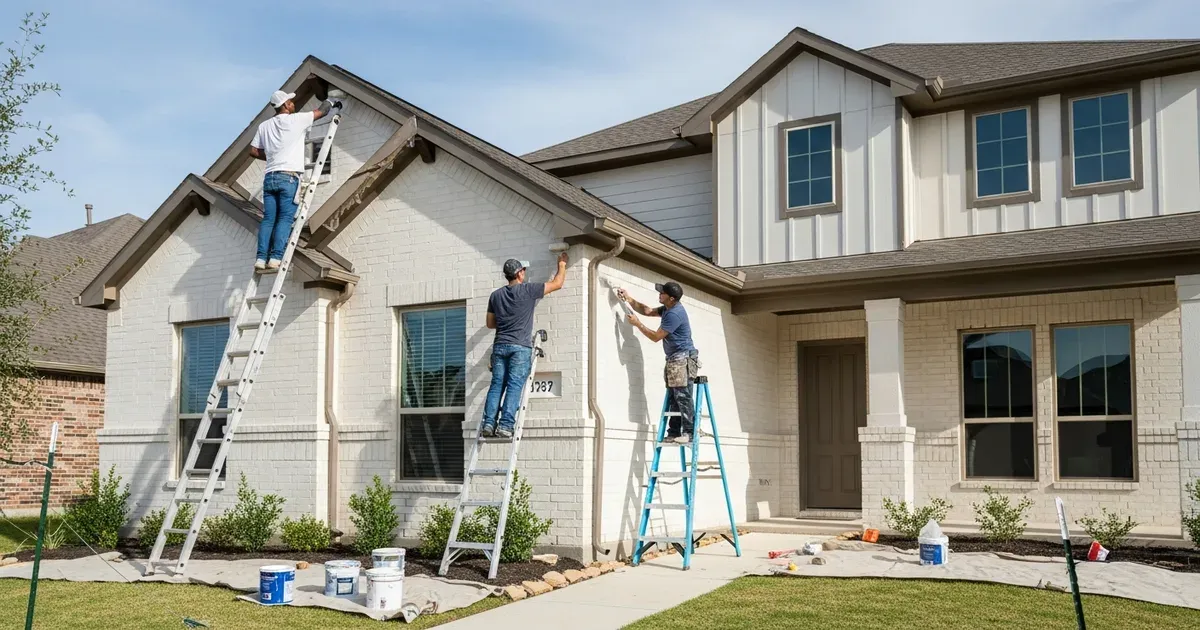
Choosing the right exterior paint color for your Denton home is about more than just curb appeal; it’s a smart strategy for managing our infamous Texas heat. With summers that regularly hit triple digits, the color on your home’s exterior can actually impact your energy bills and how long your paint job lasts. It’s a decision that blends aesthetics with practicality, especially here in Denton County.
Many homeowners in our area, from the historic homes near UNT to the newer builds in Rayzor Ranch or Robson Ranch, understand the challenge of keeping cool. The sun’s intense UV rays and the sheer duration of our hot season mean that every little bit of help counts. Selecting a paint color that reflects rather than absorbs heat can make a real difference, both inside your home and for the longevity of your exterior finish.
Why Your Paint Color Matters in Texas Heat
It might sound simple, but the color of your home’s exterior plays a significant role in how much heat it absorbs from the sun. Darker colors, like deep browns, grays, or blues, absorb more solar radiation. This means they get hotter, transferring that heat to your home’s walls and, ultimately, into your living space. Lighter colors, on the other hand, reflect sunlight and heat away from your home.
Think of it like wearing a black shirt versus a white shirt on a sunny day. The black shirt feels much hotter because it’s soaking up all that solar energy. Your house works the same way. When your exterior walls get hotter, your air conditioning system has to work harder to keep the inside cool. This extra effort translates directly into higher electricity bills, which can add up significantly during our long Denton summers.
Beyond energy savings, the right paint color can also extend the life of your exterior paint job. Constant exposure to extreme heat can cause darker paints to fade faster, crack, and peel prematurely. Lighter colors, by staying cooler, experience less thermal expansion and contraction, which helps them last longer and look better for more years. This means fewer repaints and more money in your pocket over time.
The Science Behind Light Colors and Heat Reflection
The key to understanding why light colors are better for our Denton climate lies in something called Light Reflectance Value (LRV). LRV is a measurement that tells you how much visible and usable light a color reflects. It’s measured on a scale from 0% (absolute black, absorbing all light) to 100% (perfect white, reflecting all light). The higher the LRV, the more light and heat a color reflects.
For homes in hot climates like Denton, aiming for colors with a higher LRV is a smart move. These colors bounce sunlight away from your home, keeping the surface temperature of your exterior walls cooler. This cooling effect reduces the heat load on your home, making it easier for your HVAC system to maintain a comfortable indoor temperature without overworking. It’s a passive way to improve your home’s energy efficiency.
Many paint manufacturers now even offer “cool” or “heat-reflective” paints. These specialized paints often use infrared-reflective pigments, which are designed to reflect solar heat even when the color appears darker to the eye. While they might cost a bit more upfront, these paints can be a worthwhile investment for long-term energy savings and paint durability in our scorching Texas heat.
Best Light Color Families for Denton Homes
When it comes to choosing light colors that perform well in the Texas sun, you have a wide range of beautiful options. These color families offer excellent heat reflection while providing diverse aesthetic appeal for any home style in Denton County.
- Whites and Off-Whites: These are the champions of heat reflection, boasting the highest LRV values. Classic white offers a crisp, clean look that can make your home feel expansive and inviting. Off-whites, such as creamy ivories, soft linen, or pale grays with a hint of warmth, provide a softer touch while still delivering superb heat-reflective properties. They’re versatile and pair well with almost any trim or accent color. However, be aware that lighter colors can show dirt and grime more easily, especially with our clay soil in Denton, so consider a durable, washable finish.
- Light Grays: Gray has been a popular choice for years, and for good reason. Light grays offer a sophisticated, modern look that doesn’t absorb as much heat as darker charcoal tones. They provide a neutral backdrop, allowing landscaping or colorful front doors to pop. From cool grays with blue undertones to warmer grays with beige hints (often called “greige”), there’s a light gray for every taste. They offer a great balance between style and thermal performance.
- Pale Blues and Greens: If you want to introduce a touch of color while still prioritizing heat reflection, pale blues and greens are excellent choices. Soft sky blues can evoke a sense of calm and coolness, perfect for a relaxing home environment. Similarly, muted sage greens or light olive tones can connect your home with its natural surroundings, blending beautifully with Denton’s trees and landscapes. These colors often have a refreshing quality that feels right at home in a hot climate.
- Creams and Beiges: For homeowners who prefer a warmer, more traditional aesthetic, creams and beiges are fantastic alternatives to pure white. These colors bring a cozy, inviting feel without sacrificing much in terms of heat reflection. They work wonderfully on homes with brick accents or stone features, creating a cohesive, earthy palette. Consider colors like sand, taupe, or very light tan to achieve a classic look that stands up to the Texas sun.
To give you a better idea of how different light colors perform, here’s a general guide to LRV values:
| Color Family | Typical LRV Range | Heat Reflection | Notes |
|---|---|---|---|
| Pure White | 85-95% | Excellent | Highest reflection, can show dirt, may feel stark. |
| Off-Whites / Light Creams | 70-85% | Very Good | Softer than pure white, warm undertones, very popular. |
| Pale Grays / Greiges | 60-75% | Good | Modern, versatile, less stark than white, hides some dirt. |
| Light Blues / Greens | 55-70% | Good | Adds subtle color, refreshing feel, good for nature-inspired palettes. |
| Light Tans / Beiges | 50-70% | Good | Warm, traditional, pairs well with brick/stone, classic look. |
Denton-Specific Considerations for Exterior Painting
Our unique Denton environment presents several factors you’ll want to keep in mind when planning your exterior paint project.
First, the climate is a major player. We’re talking 100+ degree summers, intense UV radiation that can fade colors, and occasional severe weather like hail storms. Choosing a high-quality paint with excellent UV resistance is crucial, regardless of color. Some paints are specifically formulated to withstand fading and cracking in extreme conditions, offering better durability against the elements.
Our clay soil is another Denton hallmark. It’s great for gardening when watered, but it can also splash up onto the lower parts of your home during heavy rains, leaving dirt marks. If you choose a very light color for your entire home, consider a slightly darker trim or a more forgiving color for the foundation skirt to minimize visible dirt. Or, ensure you choose a paint that’s highly washable.
Many Denton County neighborhoods, from master-planned communities like Robson Ranch and Lantana to newer developments around Rayzor Ranch, have Homeowners Associations (HOAs). These HOAs often have strict rules regarding exterior paint colors, sometimes even providing a pre-approved palette. Before you fall in love with a specific shade, always check your HOA covenants to ensure your chosen color is permissible. Failing to do so could lead to costly re-painting.
Finally, consider the architectural style of your home and its surroundings. A Victorian home in downtown Denton might suit a different palette than a modern farmhouse in Argyle or a traditional brick home in Corinth. While lighter colors are generally best for heat, you can still find shades that complement your home’s unique character and the overall aesthetic of your street.
Paint Quality and Type: An Investment in Durability
Beyond color, the quality and type of paint you choose are paramount, especially in Denton’s climate. A premium exterior paint isn’t just about looking good; it’s about protecting your home for years to come. Look for paints that offer:
- 100% Acrylic Formulas: These paints are flexible, resisting cracking and peeling better than cheaper alternatives. Their flexibility is key in our climate, as they can expand and contract with temperature changes without failing.
- UV Resistance: High-quality paints are formulated with pigments and binders that resist fading from the sun’s harsh ultraviolet rays. This keeps your chosen color vibrant and true for longer, even after years of Texas sun exposure.
- Mildew and Algae Resistance: Denton’s humidity, especially after rains, can encourage mildew and algae growth. Many premium paints include additives that inhibit these growths, keeping your home looking cleaner.
- Dirt Pick-Up Resistance: As mentioned with our clay soil, a paint that resists dirt adhesion will keep your home looking fresh between washes.
- Heat-Reflective Technology: Some top brands, like Sherwin-Williams’ Duration or Benjamin Moore’s Aura Exterior, incorporate special pigments that reflect solar energy, further enhancing the cooling benefits of lighter colors. This can be a game-changer for energy efficiency.
Investing in a higher-quality paint might mean a slightly higher upfront cost, but it pays off in the long run. It means your paint job will last longer, protect your home better, and require less maintenance. This is especially true for homes that endure the full brunt of our Texas summers and occasional hail storms.
Trim and Accent Colors: Adding Depth Wisely
While the main body of your home benefits most from lighter, heat-reflective colors, trim and accent colors offer an opportunity to add depth and personality. You can still use darker shades here without significantly impacting your home’s overall heat absorption.
Consider using a contrasting trim color to highlight architectural features like windows, doors, or eaves. A crisp white trim against a pale gray body, or a deep charcoal trim with a soft beige, can create a stunning visual effect. For your front door, garage door (if it’s not a major sun-facing surface), or shutters, you can choose bolder, darker colors to make a statement.
Just remember that these darker accent colors will still absorb more heat. If a large portion of your home is composed of a dark accent, like a dark-stained fence or a large section of dark trim, it will get hotter. The key is balance and using darker shades strategically where they have the most visual impact without compromising too much on energy efficiency.
Cost of Exterior Painting in Denton
The cost of exterior painting in Denton County can vary quite a bit, depending on several factors. These include the size of your home, the complexity of the job (e.g., multiple stories, intricate trim work), the quality of paint chosen, and the amount of prep work required.
Generally, homeowners in Denton can expect to pay anywhere from $3,000 to $15,000 or more for a professional exterior paint job.
- Smaller Homes (1,000-1,500 sq ft): You might expect to pay between $3,000 and $6,000. This often includes basic prep, two coats of quality paint, and labor.
- Medium Homes (1,500-2,500 sq ft): Costs typically range from $5,000 to $9,000. This is a common size for many suburban homes in areas like Highland Village or Corinth.
- Larger Homes (2,500-4,000+ sq ft): For bigger houses, especially those with multiple stories or extensive trim, prices can start at $8,000 and go upwards of $15,000. Homes in areas like Lantana or Argyle often fall into this category.
These estimates usually cover:
- Labor: The bulk of the cost, reflecting the skill and time involved.
- Materials:
Frequently Asked Questions
How much does it cost to paint a house exterior in Denton, Texas?
The cost to paint a home exterior in Denton typically ranges from $4,000 to $10,000, depending on the home's size, number of stories, and the quality of paint chosen. Prices can vary based on prep work required and specific features like trim or siding repair needed for older homes near the Denton Square historic district.
When is the best time of year to paint a home exterior in North Texas?
The ideal time to paint your home's exterior in North Texas is during the spring (March-May) or fall (September-November) when temperatures are moderate, ideally between 50-85 degrees Fahrenheit. This avoids the intense summer heat which can cause paint to dry too quickly or extreme winter cold which prevents proper curing.
What are some popular light exterior paint colors recommended for Denton homes to combat Texas heat?
Popular light exterior paint colors for Denton homes include shades of off-white, light gray, pale beige, and soft pastels like light blue or sage green. These colors have high LRV values, helping reflect sunlight and keep your home cooler, a significant advantage during our long Denton summers.
Is it better to DIY exterior house painting or hire professionals in Denton, Texas?
For exterior house painting in Denton, especially considering our intense weather, hiring professionals is generally recommended. They have the proper equipment, experience with local weather conditions, and knowledge of suitable paints and application techniques to ensure a durable, long-lasting finish that withstands Texas heat and humidity.
Are there any HOA or city regulations regarding exterior paint colors in Denton County?
Yes, many HOAs in Denton County, particularly in planned communities like Robson Ranch or Providence Village, have specific guidelines on approved exterior paint colors to maintain neighborhood aesthetics. It's always wise to check with your HOA before starting any exterior painting project to ensure compliance with their architectural review committee.
What are cool roof or heat-reflective paint options for homes in Denton, Texas?
Beyond traditional light colors, some manufacturers offer "cool roof" or heat-reflective paints that incorporate special pigments to reflect more infrared radiation, even in darker shades. While more common for roofs, these specialized paints can be applied to walls and offer enhanced heat deflection for homes in Denton, potentially reducing AC costs.
How often should I repaint my home's exterior in Denton to maintain its appearance and protection from Texas weather?
In Denton's climate, a quality exterior paint job typically lasts 7-10 years, though some premium paints can extend this to 12-15 years. Factors like direct sun exposure, the quality of the original paint, and proper surface preparation will influence how frequently your home needs repainting to protect against weathering and UV damage.
Does choosing the right exterior paint color improve my home's value in Denton, TX?
Absolutely, selecting an appropriate and well-maintained exterior paint color can significantly enhance your home's curb appeal and perceived value in Denton, TX. A fresh, heat-appropriate color makes a positive first impression, suggests good maintenance, and can appeal to a wider range of potential buyers.
Denton Home Services connects you with licensed, vetted contractors — fast and free.
Get a Free Estimate →