Bermuda vs St. Augustine Grass: Best Lawn for Denton
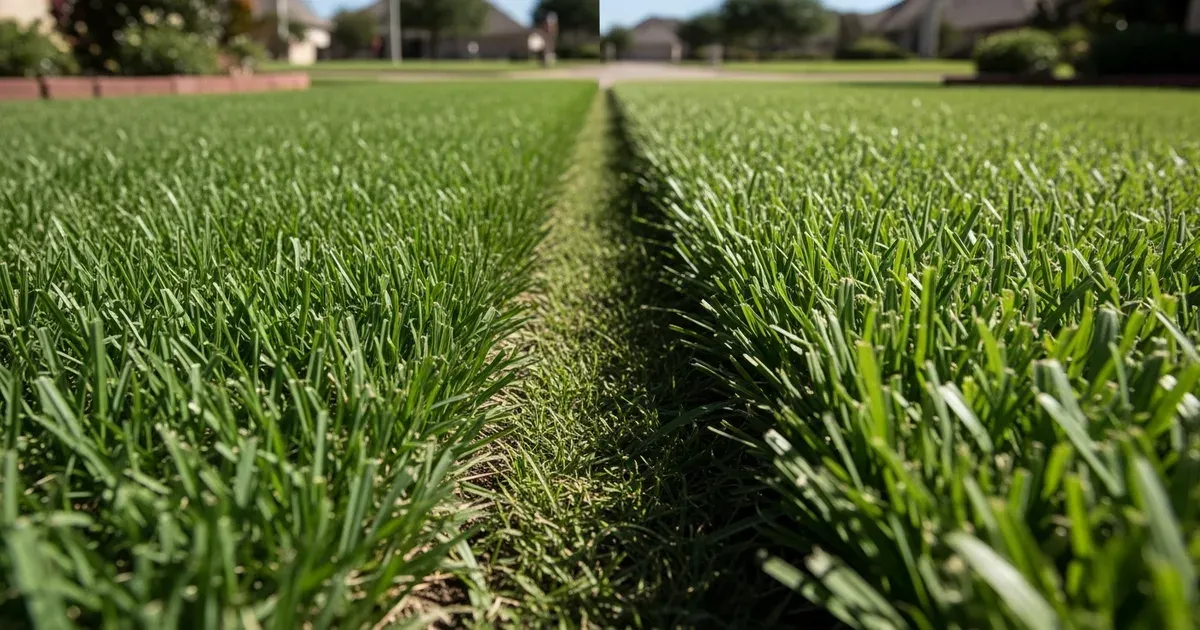
Choosing the right grass for your Denton lawn can feel like a big decision. With our scorching summers and occasional winter freezes, not just any turf will do. Most homeowners in Denton County find themselves weighing the pros and cons of two popular contenders: Bermuda grass and St. Augustine grass. Both have their strengths and weaknesses, especially when it comes to our unique North Texas climate and clay soil.
This guide will help you understand which grass might be the best fit for your home, whether you live in the sunny, open spaces of Robson Ranch or a shadier, older neighborhood closer to downtown Denton. We’ll look at everything from how much sun they need to how much water they drink, and what kind of care keeps them looking their best.
Understanding Denton’s Climate and Soil
Before we dive into the grasses, let’s talk about what they’ll be up against here in Denton. Our area is known for some pretty challenging conditions for lawns. Understanding these factors is key to choosing a grass that will thrive, not just survive.
First, the heat. Denton experiences over 100 days a year with temperatures above 90 degrees Fahrenheit, and many days soar past 100 degrees. This intense heat can stress out lawns that aren’t built for it. We also have periods of drought, which means water conservation is often a priority.
Then there’s the soil. Most of Denton County, especially in areas like Argyle and Flower Mound, is characterized by heavy, expansive clay soil. While clay soil holds nutrients well, it can compact easily, making it tough for roots to grow and for water to drain properly. This can lead to either waterlogged roots or runoff during heavy rains.
Finally, don’t forget the occasional cold snaps and even hail storms. While less frequent than the heat, winter temperatures can dip below freezing, and a sudden cold front can damage less resilient grass types. Hail, though primarily a concern for your roof, can also batter new growth. You might want to consider a professional /roofing/ inspection after a significant hail event.
Bermuda Grass: The Tough Texan
Bermuda grass is a warm-season grass that many Texans know well. It’s often seen on golf courses, sports fields, and in many residential yards across Denton. It’s renowned for its toughness and ability to handle the extreme heat and drought that our summers throw at it.
Bermuda grass is characterized by its fine to medium texture and dense growth habit. It spreads aggressively through both stolons (above-ground runners) and rhizomes (underground runners), forming a thick, durable turf. This aggressive growth helps it recover quickly from damage and suppress many weeds.
Pros of Bermuda Grass for Denton Homeowners
- Exceptional Heat Tolerance: Bermuda grass loves the sun and thrives in our 100+ degree summers. It won’t wilt or brown out as easily as other grasses during heatwaves.
- Excellent Drought Resistance: Once established, Bermuda grass is very water-efficient. It can go dormant during prolonged droughts, turning brown, but will green up again quickly once water returns. This can significantly help reduce your water bill.
- High Traffic Tolerance: Its dense growth and ability to recover quickly make it ideal for yards with active kids or pets.
- Fast Recovery: If damaged by pests, disease, or even a rough hail storm, Bermuda grass tends to bounce back quickly thanks to its aggressive spreading.
- Affordable and Accessible: Bermuda grass seed is widely available and relatively inexpensive, making it a budget-friendly option for establishing a lawn.
Cons of Bermuda Grass for Denton Homeowners
- Needs Full Sun: This is a big one. Bermuda grass needs at least 6-8 hours of direct sunlight per day to thrive. If your yard has mature trees, especially in older Denton neighborhoods or parts of Highland Village, Bermuda will struggle in the shade.
- Aggressive Spreading: While a pro for coverage, it can be a con for maintenance. Bermuda grass can quickly invade flowerbeds, sidewalks, and even your neighbor’s yard if not properly edged and contained.
- Winter Dormancy: Bermuda grass goes completely dormant and turns brown with the first hard freeze. It won’t green up again until late spring, leaving you with a brown lawn for several months.
- Thatch Buildup: Its vigorous growth can lead to a thick layer of thatch (dead grass material) over time. Too much thatch can prevent water and nutrients from reaching the soil, requiring regular dethatching.
- High Maintenance for “Golf Course” Look: While tough, achieving a perfectly manicured Bermuda lawn requires frequent mowing (often 2-3 times a week during peak season), regular fertilization, and dethatching.
Bermuda Grass Maintenance Needs
Keeping Bermuda grass looking good in Denton requires consistent effort.
- Mowing: You’ll want to mow Bermuda grass short, typically between 1-2 inches. During the growing season (late spring through early fall), this might mean mowing 2-3 times a week to prevent scalping and maintain density.
- Watering: While drought-tolerant, established Bermuda needs about 1 inch of water per week, either from rain or irrigation, during the growing season. It’s best to water deeply and infrequently to encourage deep root growth. Pay attention to local water restrictions during dry periods.
- Fertilizing: Bermuda is a heavy feeder. Plan for 3-5 applications of a balanced fertilizer throughout the growing season (March-October). A soil test can help you determine exact nutrient needs for your clay soil.
- Weed Control: A healthy, dense Bermuda lawn can suppress many weeds. However, pre-emergent herbicides in early spring and fall are crucial to prevent crabgrass and other weeds.
- Dethatching/Aeration: Due to its aggressive growth, Bermuda benefits from dethatching every 1-2 years and aeration annually, especially in our heavy clay soil, to improve air and water penetration.
St. Augustine Grass: The Shade Lover
St. Augustine grass is another very popular warm-season grass in North Texas, especially in areas with more shade. It’s known for its broad, coarse blades and a lush, blue-green color that many homeowners find appealing. Unlike Bermuda, St. Augustine spreads exclusively by thick stolons (above-ground runners).
You’ll often see St. Augustine in older Denton neighborhoods with mature trees, or in new developments like parts of Rayzor Ranch where houses might cast significant shadows.
Pros of St. Augustine Grass for Denton Homeowners
- Excellent Shade Tolerance: This is St. Augustine’s biggest advantage in Denton. It performs much better than Bermuda in partial shade, needing only 4-6 hours of direct sunlight. This makes it ideal for yards with large trees or areas shaded by homes.
- Dense and Attractive Turf: When healthy, St. Augustine forms a very dense carpet that chokes out most weeds. Its broad blades give it a lush, tropical look.
- Good Weed Suppression: Its dense growth makes it difficult for weeds to take hold, reducing the need for extensive weed control.
- Easier Mowing: St. Augustine typically needs to be mowed taller than Bermuda, usually between 2.5-4 inches, and often only once a week during peak growing season.
Cons of St. Augustine Grass for Denton Homeowners
- Cold Sensitivity: St. Augustine is more susceptible to cold damage than Bermuda. A hard freeze can cause significant damage or even kill off large patches. While it will go dormant in winter, it’s less resilient to prolonged freezing temperatures.
- High Water Needs: St. Augustine requires more consistent watering than Bermuda, especially during our hot, dry summers. It can quickly show signs of stress (wilting, purplish tint) if not watered adequately, which can lead to higher water bills.
- Pest and Disease Prone: St. Augustine is more susceptible to certain pests like chinch bugs and diseases like brown patch fungus, which are common issues in Denton. These can cause significant damage if not addressed promptly.
- Thatch Buildup: Like Bermuda, St. Augustine can develop a thick thatch layer, requiring dethatching.
- Not Available by Seed: St. Augustine grass is not reliably grown from seed. It must be established from sod, plugs, or sprigs, which can be more expensive and labor-intensive to install.
St. Augustine Grass Maintenance Needs
Maintaining a healthy St. Augustine lawn in Denton requires a different approach than Bermuda.
- Mowing: Mow St. Augustine taller, typically 2.5-4 inches, to promote deeper root growth and shade the soil. Mowing once a week during the growing season is usually sufficient.
- Watering: St. Augustine needs about 1-1.5 inches of water per week, especially during the summer. Water deeply and infrequently to encourage root development. Wilting leaves are a sign it needs water.
- Fertilizing: Fertilize St. Augustine 2-3 times during the growing season (April-October) with a slow-release fertilizer. Over-fertilization can lead to thatch and disease.
- Pest and Disease Management: Be vigilant for chinch bugs (small insects that cause yellowing patches) and brown patch fungus (circular brown areas). Timely treatment is crucial to prevent widespread damage.
- Weed Control: While dense, St. Augustine can still get weeds. Use pre-emergent herbicides in the spring and fall, and be careful with post-emergent herbicides, as some can damage St. Augustine.
Direct Comparison: Bermuda vs. St. Augustine in Denton
To help you decide, here’s a quick comparison of key factors relevant to Denton homeowners:
| Feature | Bermuda Grass | St. Augustine Grass |
|---|---|---|
| Sunlight Needs | Full sun (6-8+ hours/day) | Partial shade (4-6 hours/day) |
| Heat Tolerance | Excellent (Thrives in 100+°F) | Good (Can struggle in extreme, prolonged heat) |
| Drought Tolerance | Excellent (Goes dormant, recovers) | Moderate (Needs consistent water, wilts quickly) |
| Cold Tolerance | Good (Dormant, recovers well from freezes) | Fair (Susceptible to freeze damage) |
| Soil Preference | Adapts well, but benefits from aeration in clay | Adapts well, benefits from aeration in clay |
| Mowing Height | Low (1-2 inches), frequent | Taller (2.5-4 inches), less frequent |
| Water Needs | Low-Moderate (1 inch/week) | Moderate-High (1-1.5 inches/week) |
| Weed Control | Excellent suppression when dense | Excellent suppression when dense |
| Pest/Disease | Generally hardy, some grub issues | Prone to chinch bugs, brown patch |
| Establishment | Seed, sod, plugs (seed is cheap) | Sod, plugs (no reliable seed) |
| Winter Look | Completely brown/dormant | Brown/dormant, can sustain freeze damage |
| Average Sod Cost (Denton) | $0.30 - $0.70 per sq ft | $0.40 - $0.80 per sq ft |
| Monthly Pro Maint. | $150 - $350 (depending on size/services) | $150 - $400 (depending on size/services) |
Watering Wisely in Denton
No matter which grass you choose, efficient watering is critical in Denton. Our summers demand it, and most local municipalities have water conservation measures in place.
- Deep and Infrequent: Water deeply to encourage roots to grow down into the soil, rather than staying near the surface. This makes your lawn more drought-tolerant.
- Early Morning Watering: Watering between 4 AM and 8 AM is ideal. This reduces water loss to evaporation and allows the grass blades to dry before nightfall, which helps prevent
Frequently Asked Questions
What is the typical cost to install Bermuda or St. Augustine sod in Denton, TX?
Professional sod installation in Denton can range from $0.75 to $2.00 per square foot, depending on the grass type, lawn preparation needed, and the size of your yard. This estimate usually includes the cost of the sod, delivery, and labor, but excludes extensive soil amendments or grading. For a 5,000 sq ft lawn, expect costs between $3,750 and $10,000.
When is the best time of year to plant Bermuda or St. Augustine grass in Denton County?
The ideal time to plant warm-season grasses like Bermuda and St. Augustine in Denton County is late spring to early summer, typically from April through June. This allows the grass to establish robust root systems before the intense North Texas heat and potential drought conditions of mid-summer. Planting during this period ensures the soil temperatures are consistently warm enough for optimal growth.
Which grass, Bermuda or St. Augustine, is better for yards with significant shade in Denton, Texas?
For yards with significant shade, St. Augustine grass is generally the better choice in Denton, as it tolerates partial shade much better than Bermuda grass. Bermuda grass requires at least 6-8 hours of direct sunlight daily to thrive, while St. Augustine can do well with 4-6 hours, making it suitable for older Denton neighborhoods with mature trees like those near the historic downtown square. However, even St. Augustine struggles in deep, dense shade.
Are there specific watering restrictions or guidelines for new lawns in Denton, TX?
Yes, the City of Denton typically has year-round watering restrictions, limiting irrigation to two days a week for established lawns, with specific hours. However, new landscapes are often exempt for a 30-day establishment period, allowing for daily watering to ensure proper root development. Always check the current Denton Water Utilities guidelines or the City of Denton website for the most up-to-date regulations before installing.
What are the best methods to prepare Denton's heavy clay soil for new grass installation?
To prepare Denton's heavy clay soil for new grass, it's crucial to improve drainage and aeration. Amending the soil with 2-4 inches of organic matter, such as compost or expanded shale, and tilling it into the top 4-6 inches can significantly enhance soil structure. This helps prevent compaction and allows grass roots to penetrate more easily, which is vital for new sod to thrive.
Which grass type, Bermuda or St. Augustine, requires less overall maintenance for a Denton homeowner?
Generally, St. Augustine grass may require slightly less frequent mowing than Bermuda grass, but it is more susceptible to certain fungal diseases and insect pests in North Texas, potentially leading to more pest management. Bermuda grass, while needing more frequent mowing to look its best, is more resilient to drought and heat, potentially reducing watering efforts once established. Your specific yard conditions and desired aesthetic will heavily influence which grass feels less demanding.
What common insect pests should Denton homeowners watch for in Bermuda and St. Augustine lawns?
Denton homeowners should be vigilant for chinch bugs and grub worms, which are common pests in North Texas and can severely damage St. Augustine grass. Bermuda grass is generally more resistant but can still be affected by fall armyworms, especially during late summer and early fall outbreaks. Regular inspections and proper lawn care are key to preventing widespread infestations that can quickly ruin your lawn.
How can I effectively control weeds in my Bermuda or St. Augustine lawn in Denton?
Effective weed control in Denton lawns involves a combination of pre-emergent herbicides in late winter/early spring and fall, along with post-emergent treatments for existing weeds. Maintaining a healthy, dense lawn through proper watering, fertilization, and mowing will also naturally suppress weed growth. Always choose herbicides safe for your specific grass type to avoid damage and follow application instructions carefully.
Denton Home Services connects you with licensed, vetted contractors — fast and free.
Get a Free Estimate →